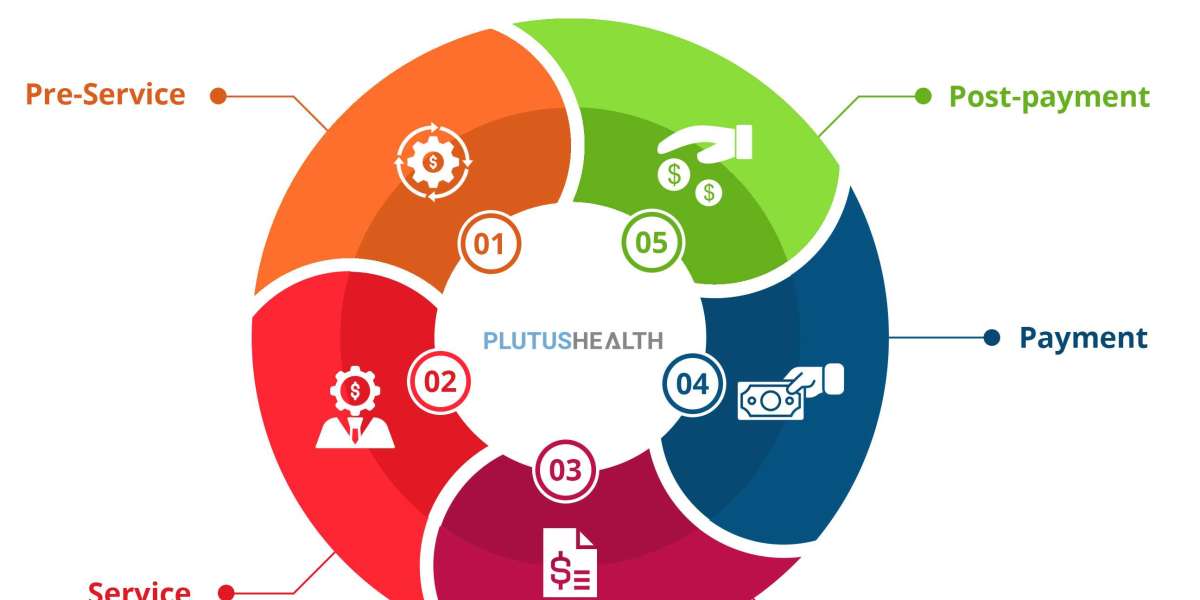

In the ever-evolving healthcare industry managing finances has become just as important as providing quality patient care. From patient registration to final payment collection every step in the financial process must be handled with accuracy and efficiency. This is where medical revenue cycle management services come into play helping healthcare providers maintain a healthy cash flow while reducing administrative stress.
What Are Medical Revenue Cycle Management Services?
Medical revenue cycle management (RCM) refers to the end-to-end process of handling a patient’s financial journey within a healthcare system. It begins when a patient schedules an appointment and continues until the provider receives full payment for services rendered.
Medical revenue cycle management services are specialized solutions offered by experts who manage these processes on behalf of healthcare providers. These services ensure that billing coding claims submission and payment collection are handled seamlessly minimizing errors and delays.
Why Medical Revenue Cycle Management Is Essential
Running a healthcare practice involves more than just treating patients. Financial sustainability is crucial for long-term success and inefficient billing processes can lead to revenue loss.
Here’s why medical revenue cycle management services are essential:
- Faster Reimbursements: Streamlined processes ensure quicker claim approvals and payments.
- Reduced Administrative Burden: Providers can focus more on patient care instead of paperwork.
- Improved Accuracy: Professional handling reduces coding and billing errors.
- Lower Denial Rates: Efficient claim management minimizes rejections.
By investing in reliable RCM services healthcare providers can enhance both operational efficiency and patient satisfaction.
Key Stages of the Revenue Cycle
Understanding the stages of the revenue cycle helps highlight the importance of professional management.
Patient Registration and Eligibility Verification
The process starts with collecting accurate patient information and verifying insurance coverage. Mistakes at this stage can lead to claim denials later.
Medical Coding and Documentation
Healthcare services are translated into standardized codes. Accurate coding is critical to ensure correct billing and reimbursement.
Charge Capture
All services provided must be recorded properly to avoid missing charges which can directly impact revenue.
Claims Submission
Claims are submitted to insurance companies. Clean and error-free claims increase the chances of quick approval.
Payment Posting
Payments from insurers and patients are recorded and reconciled.
Denial Management
Denied claims are reviewed corrected and resubmitted. This is one of the most important areas handled by medical revenue cycle management services.
Patient Billing and Collections
Patients are billed for any remaining balances and follow-ups are conducted to ensure payments are collected.
Benefits of Outsourcing Medical Revenue Cycle Management
Many healthcare providers choose to outsource their revenue cycle operations to specialized companies. This approach offers several advantages:
Cost Efficiency
Hiring and training in-house staff can be expensive. Outsourcing eliminates these costs while providing access to experienced professionals.
Expertise and Compliance
Professional providers stay updated with the latest healthcare regulations and coding standards ensuring compliance and reducing risks.
Improved Cash Flow
With efficient processes in place payments are collected faster improving overall financial performance.
Scalability
As your practice grows outsourced medical revenue cycle management services can easily scale to meet increased demands.
Common Challenges in Revenue Cycle Management
Managing the revenue cycle internally can be challenging due to various factors:
- Frequent Policy Changes: Insurance rules and healthcare regulations change regularly.
- Coding Errors: Even small mistakes can lead to claim denials.
- Delayed Payments: Inefficient workflows can slow down reimbursements.
- High Denial Rates: Without proper follow-up denied claims can result in lost revenue.
By using professional medical revenue cycle management services healthcare providers can overcome these challenges and maintain financial stability.
The Role of Technology in Modern RCM
Technology has significantly transformed how revenue cycles are managed. Advanced tools and software have made processes faster more accurate and more transparent.
Some key technological advancements include:
- Automation: Reduces manual work and speeds up billing processes.
- Data Analytics: Provides insights into financial performance and identifies areas for improvement.
- Cloud-Based Systems: Allow secure access to data from anywhere.
When combined with expert medical revenue cycle management services these technologies help healthcare providers achieve optimal efficiency.
How to Choose the Right RCM Service Provider
Selecting the right partner is crucial for maximizing the benefits of revenue cycle management. Here are some factors to consider:
- Experience: Choose a provider with a proven track record in the healthcare industry.
- Technology Integration: Ensure they use advanced tools compatible with your systems.
- Transparency: Look for clear reporting and communication.
- Customization: Services should be tailored to meet your specific needs.
A reliable provider of medical revenue cycle management services will work as an extension of your team helping you achieve your financial goals.
Future Trends in Medical Revenue Cycle Management
The healthcare industry continues to evolve and revenue cycle management is no exception. Emerging trends are shaping the future of RCM:
- Artificial Intelligence (AI): AI tools are improving accuracy and predicting claim denials.
- Value-Based Care: Focus is shifting from quantity to quality of care.
- Patient-Centric Billing: Transparent and simplified billing processes are becoming more important.
These advancements highlight the growing importance of medical revenue cycle management services in ensuring financial success.
Conclusion
Managing the financial side of healthcare is a complex but essential task. From patient registration to final payment collection every step in the revenue cycle must be handled with precision.
Medical revenue cycle management services provide healthcare providers with the tools expertise and support needed to streamline operations reduce errors and improve cash flow. By outsourcing these services providers can focus on what truly matters delivering high-quality patient care.
In a competitive and rapidly changing healthcare environment investing in professional RCM solutions is not just beneficial it’s essential for long-term success.