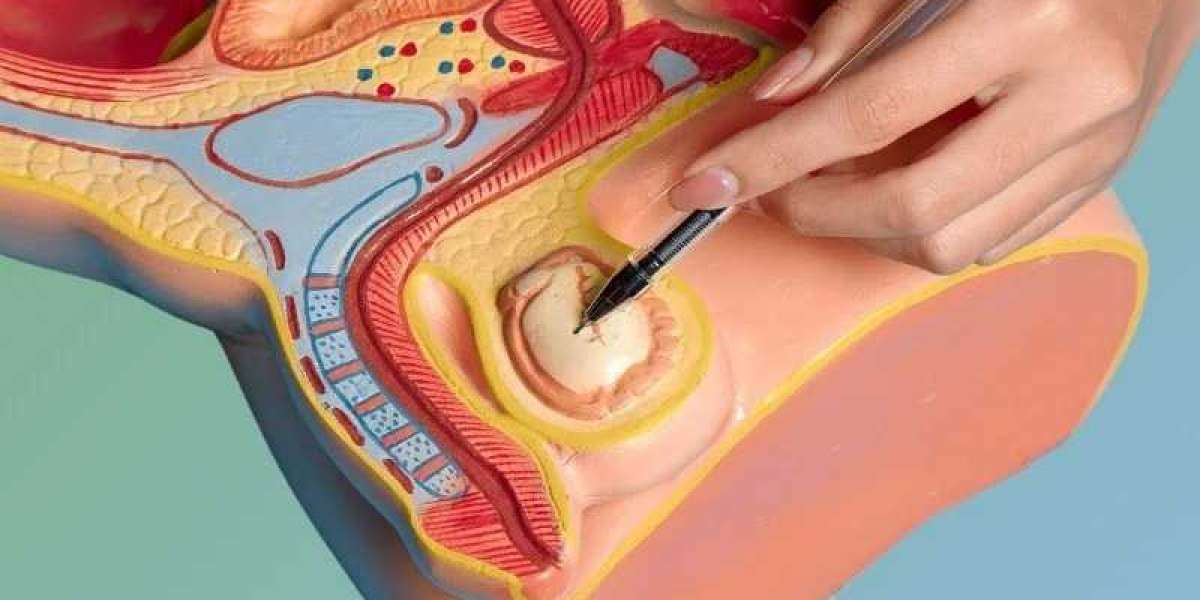

The testes are the male reproductive glands responsible for producing sperm and male hormones such as testosterone. During fetal development, the testes initially form inside the abdomen and gradually move down into the scrotum, a pouch of skin located below the penis. Normally, this descent occurs during the last months of pregnancy.

In some infants, however, one or both testes fail to move into the scrotum before birth. When a testicle remains outside the scrotal sac, the condition is called undescended testis (cryptorchidism). This is a relatively common condition seen in newborn boys and requires careful medical monitoring.
Parents seeking evaluation for Undescended Testis in Children in Delhi should consult an experienced pediatric specialist such as the Best Pediatric Surgeon in Delhi for accurate diagnosis and appropriate management.
Causes of Undescended Testis:
The exact cause of undescended testes is not always known, but several factors may increase the likelihood of the condition. One of the most common causes is premature birth, as the testes normally descend into the scrotum during the seventh month of pregnancy. Babies born before this stage may not have had enough time for this process to occur.
Other possible contributing factors include:
- Hormonal imbalances during fetal development
- Genetic influences
- Congenital conditions such as spina bifida
- Abnormal development of the spermatic cord
In some children, the testicles may move temporarily between the scrotum and the groin due to a strong reflex. This condition is known as retractile testes, which is different from true undescended testes and may resolve on its own.
In rare cases, undescended testes may occur after inguinal hernia surgery, or the testicle may be absent altogether.
Which Children Are More Likely to Have This Condition?
Undescended testis occurs in approximately 3–5% of full-term male infants and in up to 20% of premature babies. Certain factors increase the risk of this condition, including:
- Birth before 37 weeks of pregnancy
- Low birth weight
- Babies who are small for their gestational age
- A family history of undescended testes or related conditions
Early identification is important to prevent future complications.
Types of Undescended Testis:
Doctors generally classify undescended testes into two main categories:
Congenital Undescended Testes:
This type is present at birth. The testicle has not descended into the scrotum during fetal development. In premature infants, this may occur because the testes did not have enough time to complete their normal descent.
Acquired Undescended Testes:
In some children, the testes are initially present in the scrotum at birth but later move upward into the groin during childhood. This may happen when the spermatic cord does not grow at the same rate as the child, gradually pulling the testicle upward.
Acquired undescended testes can develop between 1 and 10 years of age.
Symptoms and Signs:
In most cases, undescended testis does not cause pain or noticeable symptoms. The most common sign is that the testicle cannot be felt in the scrotum during a physical examination.
Routine pediatric checkups usually identify the condition early, as healthcare providers examine the scrotum during newborn and well-child visits.
Diagnosis:
Diagnosis is primarily based on a clinical examination performed by a pediatrician or pediatric surgeon. The doctor will review the child’s medical history and family history.
If the testicle cannot be located during the examination, imaging tests may sometimes be recommended, such as:
- Ultrasound scan
- Magnetic Resonance Imaging (MRI)
These tests help determine whether the testicle is located in the abdomen, groin, or elsewhere.
Parents seeking expert evaluation for Undescended Testis in Children in Delhi should consult the Best Pediatric Surgeon in Dwarka, Delhi for proper assessment and treatment planning.
Why Treatment Is Important:
If the testicle does not descend naturally, it can lead to several potential complications, including:
- Testicular torsion, where the spermatic cord twists and blocks blood flow
- Inguinal hernia, where a portion of the intestine enters the groin
- Reduced fertility due to higher abdominal temperatures affecting sperm production
- A small increased risk of testicular cancer later in life
- Psychological concerns or reduced self-confidence related to genital appearance
Early treatment helps minimize these risks.
Treatment Options:
In many infants, the testes descend naturally into the scrotum by 3 to 6 months of age. If this does not occur, treatment may be recommended.
Surgical Treatment (Orchiopexy):
The most common and effective treatment is orchiopexy, a surgical procedure that moves the testicle into the scrotum and secures it in place. This surgery is usually performed between 6 and 18 months of age and has a high success rate.
Hormone Therapy:
In selected cases, hormone therapy may be used to stimulate testosterone production and encourage testicular descent. However, this approach is less commonly used and is recommended only in specific situations.
Follow-Up Care:
After treatment, regular follow-up visits are important to ensure the testicle remains in the correct position and develops normally. As the child grows older, doctors may also teach adolescents how to perform testicular self-examination to monitor their health.
Early diagnosis and treatment greatly improve outcomes. Parents who notice any abnormality in their child’s scrotum should seek prompt medical advice from the Best Pediatric Surgeon in Delhi to ensure appropriate care for Undescended Testis in Children in Delhi.
#Undescended Testis in Children in Delhi #Thoracoscopic Surgery In Children In Delhi