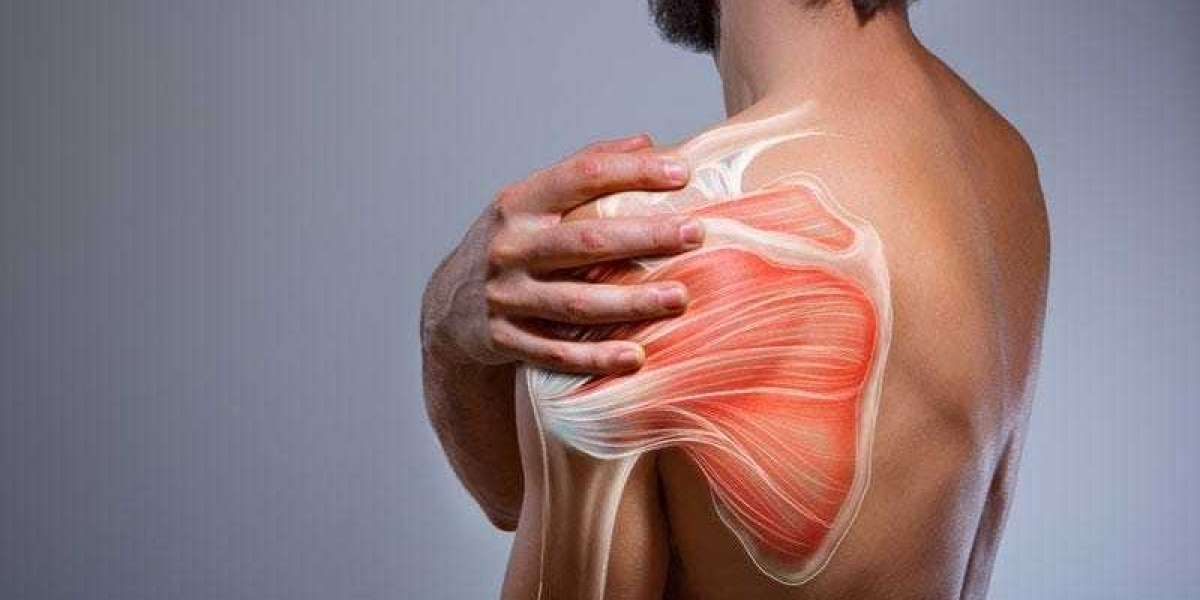

Persistent shoulder pain can significantly impact a person’s ability to perform routine tasks such as lifting objects, dressing, or even sleeping comfortably. Severe conditions such as rotator cuff tears, advanced arthritis, traumatic injuries, or complications from previous shoulder surgeries may lead to chronic pain and restricted movement. When non-surgical treatments fail to provide relief, advanced surgical procedures such as reverse shoulder replacement can offer an effective solution.

Patients exploring options like Total Shoulder Replacement Surgery in Delhi often benefit from understanding how reverse shoulder replacement differs from conventional procedures and how it can help restore shoulder function.
What Is Reverse Shoulder Replacement Surgery?
Reverse shoulder replacement, also known as reverse shoulder arthroplasty, is a specialized surgical procedure designed for patients with significant rotator cuff damage. In a healthy shoulder, the ball-and-socket joint consists of the humeral head (ball) fitting into the glenoid cavity (socket). Traditional shoulder replacement surgery replicates this natural structure.
However, when the rotator cuff muscles are severely torn or dysfunctional, a conventional shoulder replacement may not restore adequate stability or movement. In reverse shoulder replacement, the anatomy of the joint is altered — the ball component is attached to the shoulder blade, while the socket is placed at the top of the humerus.
This reversed configuration allows the deltoid muscle to take over much of the function that the damaged rotator cuff would normally perform. As a result, patients can achieve improved arm elevation, enhanced stability, and significant pain reduction.
When Is Reverse Shoulder Replacement Recommended?
Reverse shoulder replacement is typically advised in cases where traditional treatments or standard shoulder replacement procedures are unlikely to be successful. An experienced Orthopaedic Surgeon Delhi may recommend this procedure for the following conditions:
• Massive or irreparable rotator cuff tears
• Rotator cuff arthropathy (arthritis caused by chronic cuff damage)
• Complex shoulder fractures in elderly patients
• Severe shoulder joint degeneration
• Failed previous shoulder replacement surgeries
A comprehensive clinical evaluation, imaging studies, and functional assessment help determine whether reverse shoulder replacement or Total Shoulder Replacement Surgery in Delhi would provide the most effective outcome.
Benefits of Reverse Shoulder Replacement:
Reverse shoulder replacement has become an important advancement in orthopaedic surgery due to its ability to restore shoulder function in complex cases. Patients often experience several significant benefits following the procedure.
- Effective Pain Relief
One of the primary goals of the surgery is to reduce chronic shoulder pain caused by joint degeneration or rotator cuff failure.
2. Improved Shoulder Stability
By shifting the mechanics of the joint, the procedure enhances shoulder stability and reduces the risk of joint dysfunction.
3. Better Range of Motion
Many patients regain the ability to raise their arm overhead or perform daily movements that were previously difficult.
4. Solution for Failed Surgeries
Reverse shoulder replacement is often used as a revision procedure for patients who did not achieve successful outcomes from earlier shoulder surgeries.
5. Improved Quality of Life
Patients often regain independence in everyday activities such as dressing, eating, and reaching overhead.
Recovery and Rehabilitation:
Postoperative rehabilitation plays a crucial role in the success of reverse shoulder replacement. After surgery, the arm is usually supported in a sling for several weeks to allow proper healing. Gradual physiotherapy begins soon after to restore movement and strengthen the surrounding muscles.
Recovery timelines vary among patients, but many individuals begin to experience noticeable improvements in mobility and pain reduction within three to six months. With consistent physiotherapy and adherence to medical guidance, long-term functional outcomes are generally very positive.
Choosing the Right Specialist:
The success of complex procedures such as reverse shoulder replacement largely depends on the expertise of the treating surgeon. Consulting an experienced Orthopaedic Surgeon Delhi ensures accurate diagnosis, proper surgical planning, and comprehensive postoperative care.
Patients who require Total Shoulder Replacement Surgery in Delhi or reverse shoulder arthroplasty benefit from modern surgical techniques, advanced implants, and personalized rehabilitation programs that help restore shoulder function and improve overall quality of life.
Conclusion:
Reverse shoulder replacement surgery represents a significant advancement in the treatment of complex shoulder disorders. By altering the mechanics of the shoulder joint, the procedure allows patients with severe rotator cuff damage or failed previous surgeries to regain mobility and achieve lasting pain relief.
With proper patient selection, expert surgical care, and structured rehabilitation, reverse shoulder replacement can dramatically improve daily function and help individuals return to an active, pain-free lifestyle.
#Total Shoulder Replacement Surgery in Delhi #Joint Replacement Surgeon in Delhi
Also visit: https://files.fm/DrAnantKumarTiwariOrthopaedicSurgeonDelhi/f/we2rxmpduz