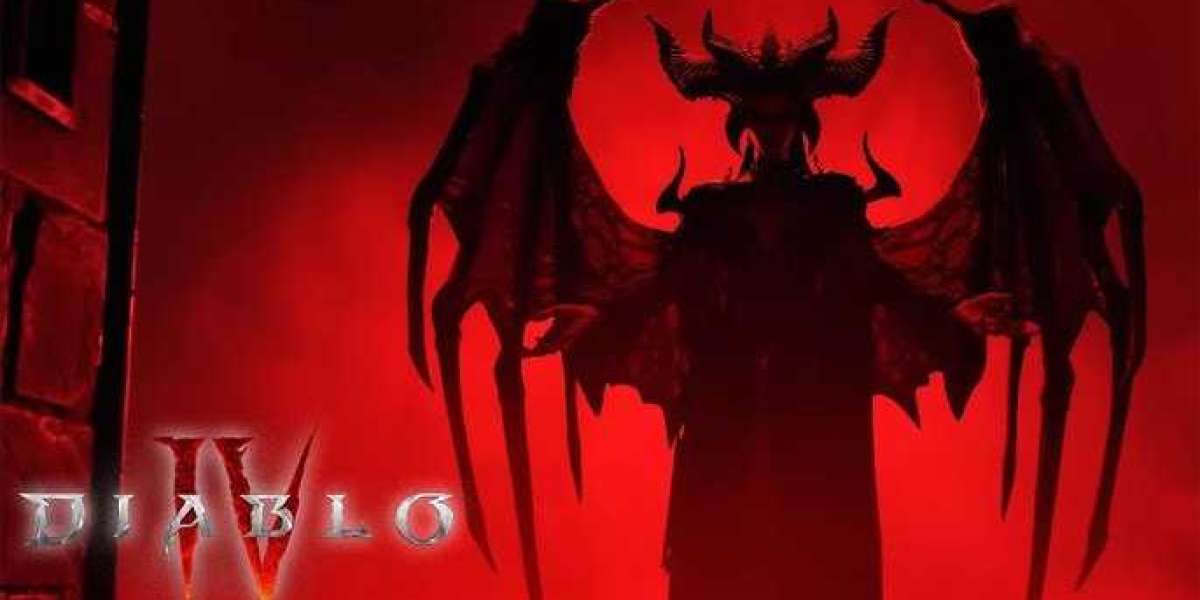

Season 12 in Diablo IV adds the new Killstreak system, and it's basically all about staying aggressive. The idea is simple: the more enemies you kill without slowing down, the more rewards you stack up. There's a visible counter on screen that tracks your streak through five tiers—Killstreak, Carnage, Devastation, Bloodbath, and finally Massacre. Each tier increases your bonuses, including experience, seasonal reputation, and some combat power Diablo 4 Items. If you stop dealing damage for too long, the timer starts to drain. Damage over time effects can help restart it early on, but they're not enough to maintain it forever. And if you die, the streak is gone, which adds some real pressure when you're pushing higher tiers.
The tiers are based on total consecutive kills. Lower tiers are easy to hit just by playing normally, but reaching Bloodbath or Massacre takes serious mob density. Helltides feel like the best place to push high streaks because enemies just keep spawning. Nightmare Dungeons and The Pit can get you pretty far, but they usually don't have enough enemies to consistently reach the top tier unless you get lucky layouts. Bloodied Sigils increase difficulty in certain activities by adding more elites and extra spawns, which makes them perfect for farming streaks if your build can handle it.
The other half of the system is the new Bloodied gear. These items come with special affixes that scale with your current Killstreak tier. Some armor pieces roll Rampage affixes, which give bonuses per tier—like extra movement speed or scaling damage. These are great for fast-clearing builds that already thrive in big packs. Weapon-based Feast affixes work differently. Instead of scaling per tier, they trigger based on total kills in the streak, such as resetting a cooldown every set number of kills. That makes them feel more consistent and easier to plan around.
Jewelry can roll Hunger affixes, which focus on the reward at the end of a streak. The higher the tier you reach, the bigger the payout when it expires. That might mean extra rune drops, more crafting materials, or other bonus loot. When you stack Rampage, Feast, and Hunger together across different slots, the system starts to feel pretty cohesive. You move faster, reset skills more often, and then get a loot burst when the streak ends. It definitely encourages a fast, flowing playstyle instead of the slower, methodical pacing some builds leaned into before.
The end-of-streak rewards scale heavily. Casual streaks still give solid XP and seasonal reputation, but if you manage to hit Bloodbath or Massacre, the payout is huge—sometimes comparable to finishing a full dungeon. That's why Helltides are becoming the go-to activity. With enough density, 1,000+ kill streaks are realistic, and the reputation gain can outpace other grinding methods.
Class performance varies a lot. Builds with strong area damage and mobility, like certain Barbarian or Rogue setups, naturally do well because they can clear packs quickly and keep the timer alive. Slower or more summon-focused builds can struggle unless they're optimized for direct damage. Some of the new Bloodied uniques help smooth that gap, but balance is still being adjusted based on testing feedback. Damage-over-time builds in particular have had a tougher time maintaining streaks, since the system favors constant direct hits.
Season 12 feels like a shift toward faster, more aggressive gameplay. It borrows the excitement of big kill chains from past Diablo games but ties it into Diablo 4's gear system in a deeper way D4 items cheap. The core loop is clear: stay in motion, keep killing, and push for higher tiers without dying. If Blizzard continues tuning the numbers and affixes, Killstreaks could end up being one of the more memorable seasonal mechanics the game has introduced so far.