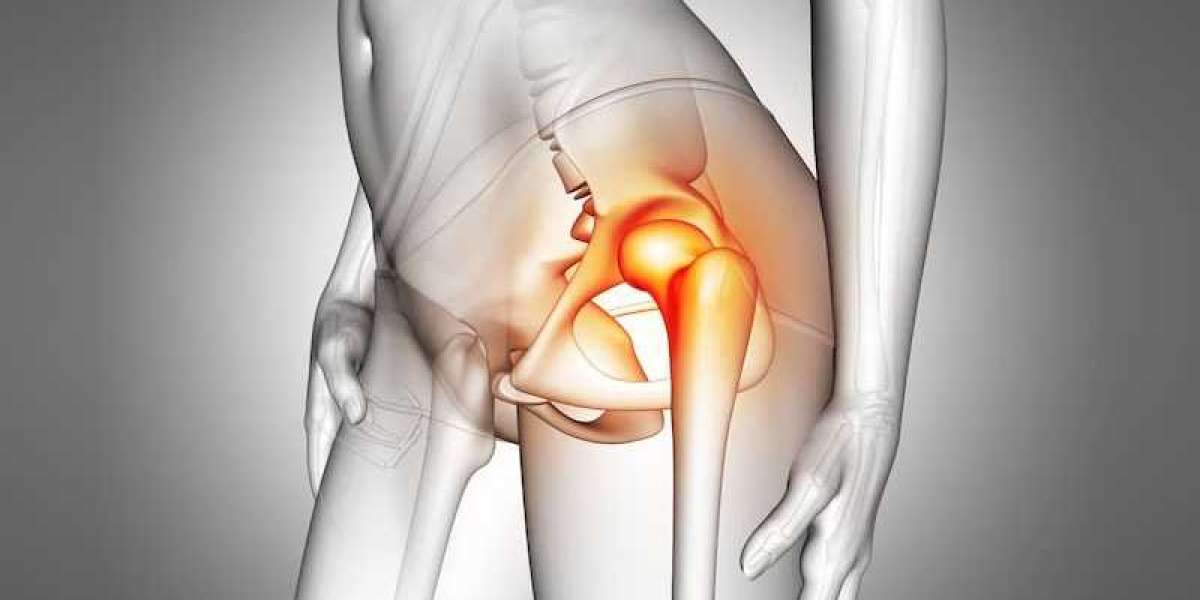

Hip pain can gradually reduce your independence and quality of life. Activities such as walking, climbing stairs, sitting, or even getting out of bed may become uncomfortable. When medications, injections, and physiotherapy stop providing relief, surgical treatment becomes necessary to restore mobility. However, surgery is only the first step. Proper recovery plays a vital role in ensuring long-term success and helping patients return to a pain-free, active lifestyle.

In this article, we discuss the recovery timeline after Total Hip Replacement Surgery in Delhi, what patients can expect at every stage, and how expert orthopaedic care supports safe healing.
Understanding Hip Replacement Recovery:
Recovery after hip replacement varies from person to person. Some patients regain mobility faster, while others require more time. Several factors influence healing, including:
Age and general health
Severity of arthritis or joint damage
Type of surgical technique used
Commitment to physiotherapy and post-operative care
With modern surgical techniques and proper rehabilitation, most patients experience excellent outcomes and improved quality of life.
What Happens on the Day of Surgery?
Patients are usually admitted a few hours before surgery. The procedure typically lasts one to two hours. After the operation:
You are shifted to a recovery area for observation
Pain is managed using advanced medications
Intravenous fluids and antibiotics are given
Monitoring of vital signs is done regularly
Diet gradually progresses from liquids to normal food
Medical staff carefully assess comfort and stability before moving to the next stage.
First 24 to 48 Hours After Surgery:
This is a crucial phase of recovery. Once the anesthesia effect wears off, mild pain and stiffness are expected but controlled with medications.
During this period:
A physiotherapist assists you in sitting and standing
Walking with support or a walker begins
Blood-thinning medications prevent clot formation
Gentle leg exercises improve circulation
Early mobilization helps reduce complications and speeds up healing.
First Week of Recovery:
Most patients start gaining confidence in walking short distances within a few days. Pain and swelling gradually reduce.
Important precautions include:
Keeping the surgical wound clean and dry
Following dressing and medication instructions
Avoiding sudden twisting or bending
Taking adequate rest
This stage is essential to prevent infection and promote smooth healing.
3 to 6 Weeks After Surgery:
Patients usually notice significant improvement in mobility and comfort. Daily activities become easier.
At this stage:
Physiotherapy focuses on strengthening muscles
Balance and flexibility improve
Light household work can be resumed
Mild discomfort may still be present
However, running, jumping, or heavy lifting should be avoided.
10 to 12 Weeks: Returning to Normal Routine-
By this time, most individuals return to near-normal activities. Pain is minimal, and confidence increases.
You may be able to:
Walk without support
Resume routine work and travel
Continue strengthening exercises
Perform daily activities comfortably
Your doctor may recommend lifestyle changes to protect the artificial joint and ensure long-term success.
Tips for Faster and Safer Recovery:
Simple precautions can improve recovery outcomes:
Attend all physiotherapy sessions
Maintain a healthy body weight
Avoid sitting on very low surfaces
Use support while climbing stairs
Report swelling, fever, or persistent pain
Importance of Expert Orthopaedic Care:
Hip replacement is a highly successful procedure, but outcomes depend on surgical expertise, proper planning, and post-operative guidance. Consulting an experienced Orthopaedic Surgeon Delhi ensures advanced treatment, fewer complications, and better long-term results.
Dr. Anant Kumar Tiwari is widely known for advanced joint replacement and comprehensive patient care. If you are planning Total Hip Replacement Surgery in Delhi, expert consultation helps you understand both the surgical process and recovery journey.
With the right treatment approach, guided rehabilitation, and regular follow-up, hip replacement can provide lasting pain relief and restore mobility, confidence, and independence.
Total Hip Replacement Surgery in Delhi #Joint Replacement Surgeon in Delhi
Also visit: https://pakhie.com/blogs/156362/Smart-Knee-Solutions-Understanding-Partial-Knee-Replacement-Surgery-Delhi