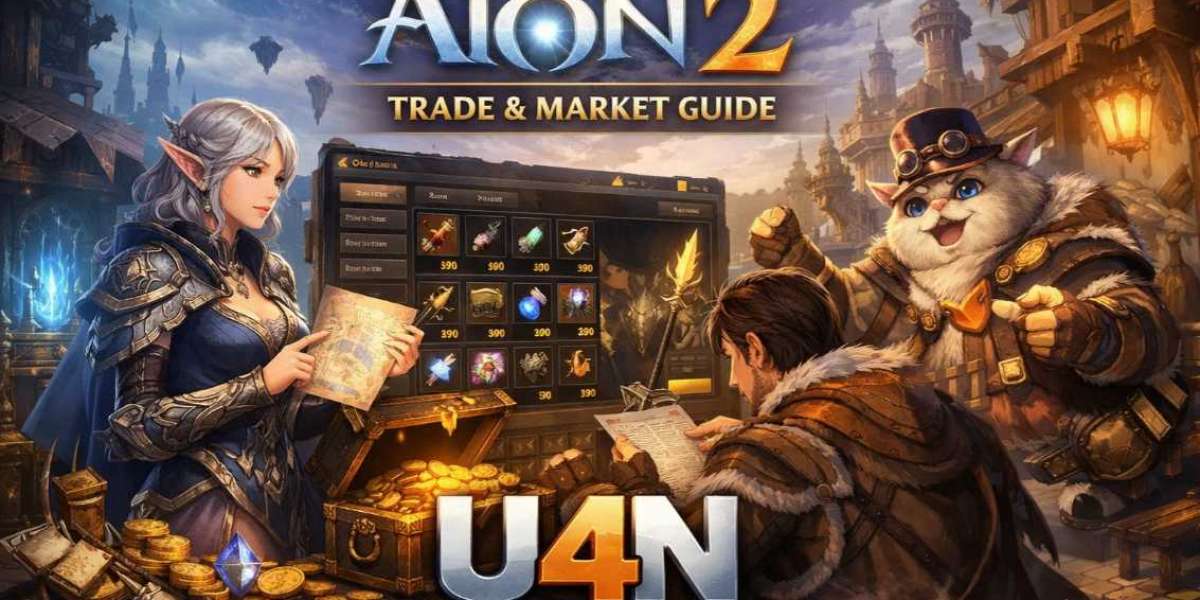

The trade system in Aion 2 can be both exciting and daunting, especially for new players. Understanding how it works is key to getting ahead in the game. Whether you’re just starting out or looking to refine your approach, this guide will walk you through the essentials of trading in Aion 2, covering everything from basic concepts to more advanced tips.
What is the Trade System in Aion 2?
At its core, the trade system in Aion 2 allows players to exchange in-game currency (Kinah), items, and other resources. This system plays a crucial role in the economy of the game, allowing players to obtain rare items, upgrade their equipment, and gather materials to craft or enhance their gear.
The main forms of trade in Aion 2 include:
Player-to-player trades: You can trade directly with other players.
Marketplaces and auction houses: These are shared spaces where players list items for sale, allowing for broader access to goods.
Guild-related transactions: Some guilds operate their own trade systems, often focusing on specific items or services.
How Do I Trade with Other Players?
Trading directly with other players is simple but requires you to meet in person (in-game, of course). Here’s how it works:
Initiating the Trade: Approach another player and open the trade window. This can usually be done by right-clicking on their character and selecting the trade option.
Adding Items: Both players can add items to the trade window. You can offer items, resources, or Kinah. Be sure to check what the other player is offering before confirming the trade.
Confirming the Trade: Once both players are satisfied with the exchange, they can confirm the trade. After confirmation, the items and currency are transferred, and the trade is complete.
What is the Marketplace, and How Does It Work?
The Marketplace in Aion 2 functions similarly to an auction house, where players can buy and sell items. It’s an essential tool for acquiring items you might not be able to find through regular gameplay. Here’s what you need to know:
Listing Items: To sell an item, go to the Marketplace and select “Sell.” You’ll need to set the price in Kinah and specify the quantity of the item if necessary. Some items may have restrictions, so always double-check before listing.
Searching for Items: If you’re looking to buy something, use the search function to filter items by type, rarity, or price. This makes it easier to find specific items you want.
Auctions vs. Direct Sales: Some items are listed for a direct purchase, while others may be up for auction. Auctions usually last a set amount of time, and the highest bidder wins.
Fees: Listing items on the Marketplace often incurs a small fee. Keep this in mind when setting your prices.
How Do I Earn Kinah for Trading?
Kinah is the primary currency in Aion 2, and it’s necessary for most trade activities. Here are the main ways you can earn Kinah in the game:
Quest Rewards: Completing quests is one of the easiest ways to earn Kinah. As you progress through the game, you’ll unlock more quests with higher rewards.
Crafting and Gathering: If you like gathering resources or crafting items, this is a great way to earn Kinah. Crafted items, especially rare or high-demand ones, can be sold for a good profit in the Marketplace.
Loot from Enemies: Killing monsters and bosses can drop valuable items or Kinah directly. Some items, such as rare materials or collectibles, can be sold to other players for a decent sum.
Farming: Farming mobs that drop high-demand materials or consumables can be a reliable method for earning Kinah over time.
Trading: As a player who understands the market, you can buy low and sell high to turn a profit. Keep an eye on what items are in demand, and you can make a lot of Kinah this way.
If you need to get a bit more Kinah quickly, there are affordable aion 2 kinah deals available through various trusted third-party sellers. Just be sure to choose reputable sources to avoid any potential scams.
How Do I Know What’s in Demand?
The key to being successful in Aion 2’s trade system is understanding market trends. Some items are always in demand, like consumables, potions, or materials for high-level gear. Others may only be valuable during specific events or updates.
To stay ahead of the market:
Observe the Auction House: Keep an eye on the prices of items you often use or craft. If the price fluctuates dramatically, that’s a sign that there is high demand or low supply.
Watch for Events: Developers often introduce limited-time events, which can cause certain items to become highly sought after. For example, during special in-game holidays, you might see a surge in the demand for themed items or event-related consumables.
Join a Guild: Some guilds specialize in crafting or gathering specific items. Being in a well-connected guild can help you gain insight into which items are worth focusing on, both for crafting and trading.
What Are the Best Strategies for Maximizing Trade Profits?
Making money in Aion 2 requires some strategy, especially if you’re planning to trade for high-value items or Kinah. Here are some tips to maximize your profits:
Focus on High-Demand Items: As mentioned earlier, items that are always in demand—like potions, high-tier materials, and basic crafting resources—can be a steady source of income.
Control Your Crafting Costs: If you're into crafting, keep track of material prices and find ways to minimize your costs. For example, instead of buying expensive materials, farm them yourself if you can.
Use Your Trading Knowledge: Become familiar with the Marketplace and know which items tend to sell well. This includes both rare items and consumables. It’s also a good idea to scout for underpriced items that you can resell for a higher price.
Watch for Deals and Discounts: Keep an eye on special promotions, sales, and discounts in the Marketplace. Buying items during sales and reselling them at regular prices can be a great way to earn a profit.
Be Patient: Don’t expect instant success in trading. The market can be slow sometimes, and the best profits often come from long-term investment. Be patient and keep learning the ropes.
What Should I Avoid When Trading?
While the trade system in Aion 2 is designed to be player-friendly, there are a few common mistakes that can lead to lost Kinah or frustration:
Overpricing Items: If you list an item for too high of a price, it may not sell at all. Research prices before listing anything, and make sure your items are competitive.
Scams and Fraudulent Trades: Be cautious when trading with unknown players. Always double-check that both parties are in agreement before confirming a trade. Avoid third-party websites that promise quick Kinah or items but end up being scams.
Neglecting Market Trends: Just because an item is expensive today doesn’t mean it will stay that way. Be aware of market changes and adjust your prices accordingly.
The trade system in Aion 2 is vast and offers plenty of opportunities for players willing to put in the effort. Whether you're focusing on crafting, gathering, or simply buying and selling in the Marketplace, understanding how the system works is the first step toward success. By paying attention to market trends, knowing what items are in demand, and managing your resources wisely, you’ll be well on your way to mastering the economy of Aion 2.