Female Pattern Hair Loss (FPHL) is a common condition characterised by gradual thinning of hair, especially over the central scalp and crown. It is often associated with increased androgen activity at the level of the hair follicle. Hormonal imbalance, genetic predisposition, and conditions such as polycystic ovarian syndrome (PCOS) may contribute to this problem.
At DermaStation, advanced Hair Loss Treatment Delhi focuses on understanding the hormonal and metabolic factors that influence hair health. A personalised and evidence-based approach ensures optimal outcomes.
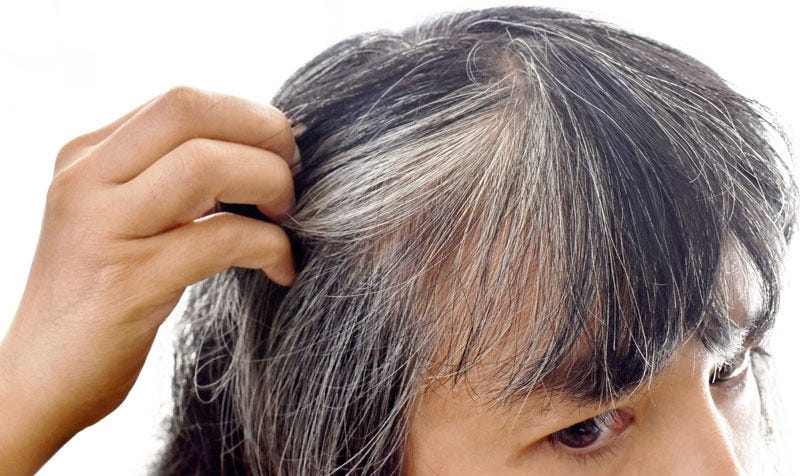
Understanding Androgen Activity in FPHL:
Androgens are male hormones that also play a role in women’s physiology. Increased sensitivity of hair follicles to androgens can shorten the hair growth cycle and cause miniaturisation of hair follicles. This results in thinner, weaker hair strands and progressive hair density reduction.
Traditional antiandrogen therapies such as spironolactone, cyproterone acetate, and flutamide are commonly used to manage FPHL. However, newer medications with improved safety profiles are now being explored.
What is Bicalutamide?
Bicalutamide is a non-steroidal, pure antiandrogen that blocks androgen receptors in peripheral tissues, including the scalp. Unlike some other hormonal treatments, it does not exhibit estrogenic, progestational, glucocorticoid, or mineralocorticoid activity. It also does not inhibit 5-alpha reductase.
One of its key advantages is that it does not significantly affect hormone levels such as luteinising hormone (LH) and testosterone. In addition, it does not readily cross the blood–brain barrier, which contributes to its favourable safety profile.
Because of these properties, bicalutamide is being increasingly used off-label in dermatology for women with androgen-related hair loss and conditions such as hirsutism and acne.
Clinical Benefits in Female Pattern Hair Loss:
Recent clinical studies suggest that oral bicalutamide may help:
- Reduce hair shedding
- Improve hair density and thickness
- Slow progression of hair thinning
- Support treatment in women with signs of hyperandrogenism such as acne, seborrhoea, or PCOS
This makes it a promising option in selected patients under supervision of a qualified Dermatologist in Delhi.
Combination Therapy for Better Results:
Hair loss is multifactorial. Therefore, combination treatment often provides superior outcomes. Bicalutamide may be used alongside:
- Oral or topical minoxidil
- Nutritional and hormonal correction
- Lifestyle and stress management
- Other antiandrogen medications
It may also help reduce the risk of unwanted hair growth (hypertrichosis), which is a common side effect of oral minoxidil.
Safety and Monitoring:
When prescribed carefully, oral bicalutamide appears to have a favourable safety profile. Regular monitoring and proper patient selection are essential. Before starting therapy, a Dermatologist in Delhi evaluates:
- Hormonal profile
- Medical history
- Liver function
- Reproductive planning and contraception
This ensures treatment is safe and tailored to individual needs.
Who is an Ideal Candidate?
This therapy may be considered for:
- Women with moderate to severe FPHL
- Patients with PCOS or hormonal imbalance
- Individuals not responding adequately to standard treatments
- Women with associated acne, seborrhoea, or hirsutism
Conclusion:
Bicalutamide represents an emerging and promising option in Hair Loss Treatment Delhi for women with androgen-related hair thinning. With its targeted mechanism and favourable safety profile, it offers hope for patients seeking long-term and effective hair restoration.
A personalised consultation with an experienced Dermatologist in Delhi is essential to determine suitability, monitor treatment, and achieve optimal hair health.
#Hair Loss Treatment Delhi #Microdermabrasion treatment in Delhi