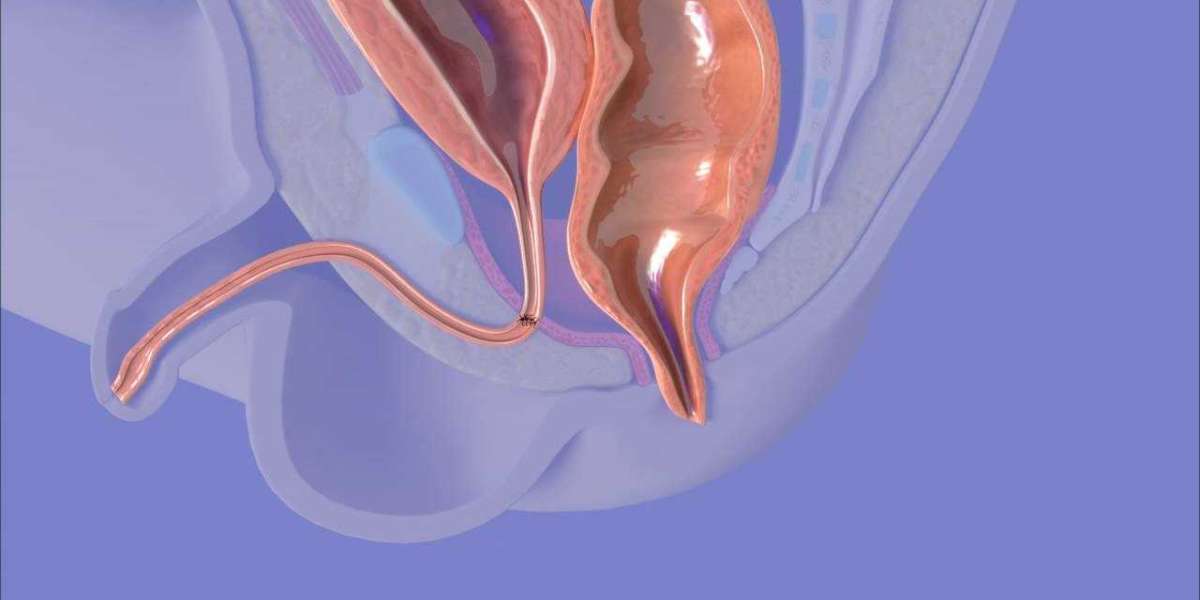

Anorectal malformation (ARM), also known as imperforate anus or absent anal opening, is a congenital defect that occurs during early fetal development. In this condition, the anal opening and rectum do not form normally, preventing the newborn from passing stool naturally. Anorectal Malformation in India is diagnosed in approximately 1 in 5,000 live births and is slightly more common in boys than girls.

What Happens in Anorectal Malformation?
In a healthy newborn, the rectum connects to a properly positioned anal opening, allowing stool to pass. In babies with ARM, one or more of the following abnormalities may be present:
- The anal opening may be very small or located in an abnormal position.
- The anal opening may be absent, and the rectum may connect abnormally to the urinary tract (urethra or bladder) in boys or to the vagina or vestibule in girls.
- In complex cases, the rectum, urinary tract, and reproductive organs may form a single channel known as a cloaca, through which urine and stool pass together.
These abnormalities can lead to bowel obstruction, abdominal distension, and infections if not treated promptly.
Early Detection After Birth:
Immediately after delivery, doctors examine the newborn to check the position and patency of the anal opening. Most infants pass their first stool within 24–48 hours of birth. Failure to do so raises suspicion of an internal malformation.
If anorectal malformation is suspected, a detailed evaluation is performed to determine the level and type of defect and to identify associated anomalies.
Associated Conditions and Diagnostic Tests:
ARM can be associated with abnormalities involving the spine, urinary system, heart, or other organs. Comprehensive investigations may include:
- Abdominal X-ray: To determine how far the rectum has developed and assess spinal bone structure.
- Abdominal ultrasound: To evaluate kidney and urinary tract abnormalities.
- Spinal ultrasound or MRI: To detect tethered spinal cord or other spinal defects that may affect bowel and bladder control.
- Echocardiography: To identify congenital heart defects.
Early and accurate assessment is crucial for planning surgical correction and long-term care.
Surgical Management:
Definitive treatment of anorectal malformation is surgical. The timing and type of surgery depend on the severity of the defect, associated anomalies, and the baby’s overall condition.
In milder forms, a single-stage corrective surgery may be sufficient to reconstruct the anal opening in the correct anatomical position. In more complex cases, a staged approach may be required.
Some newborns may initially require a temporary colostomy (stoma), where stool is diverted through an opening in the abdominal wall. This allows the baby to grow and stabilize before definitive repair is performed. Once reconstruction is complete and healing occurs, the stoma is closed in a later procedure.
Long-Term Bowel Management:
Although surgery corrects the structural defect, some children may experience challenges with bowel control due to underdeveloped or damaged nerves and muscles. To support continence and independence, a structured bowel management program is initiated around toilet-training age. This program may include dietary guidance, medications, or scheduled bowel routines to help children remain socially clean.
Importance of Expert Pediatric Surgical Care:
Management of Anorectal Malformation in India requires specialized pediatric surgical expertise and multidisciplinary follow-up. Dr. Prashant Jain is widely recognized as the Best Pediatric Surgeon in Delhi, with extensive experience in treating complex congenital anomalies, including anorectal malformations. His approach emphasizes precise surgical correction, preservation of function, and long-term quality of life.
With early diagnosis, appropriate surgical intervention, and structured follow-up care, children born with anorectal malformation can achieve healthy growth and improved functional outcomes.
#Robotic Pyeloplasty Surgery In Delhi #Anorectal Malformation In India