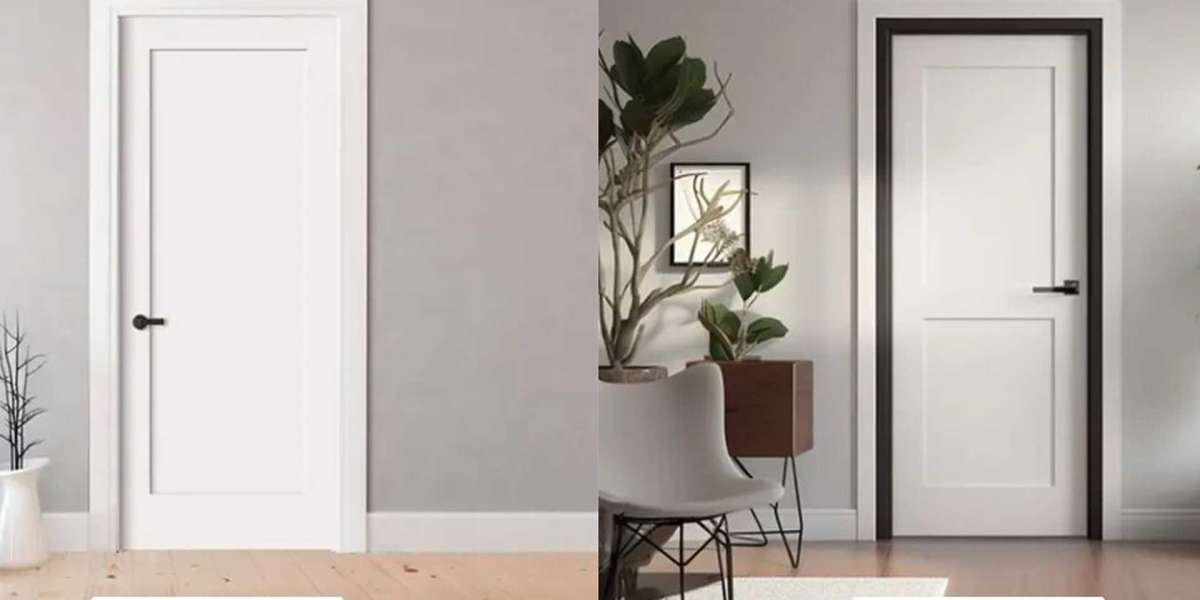

In the complex landscape of Canadian building design and safety, few elements are as critical yet understated as the fire door. Far more than a simple entryway, a fire door is a meticulously engineered life-safety device, integral to a structure's passive fire protection system. For architects, contractors, building owners, and homeowners across Canada, understanding the nuances of fire-rated interior doors is not just a matter of compliance—it's a fundamental responsibility towards occupant safety and asset protection.
Understanding Fire Ratings: The Canadian Standard
In Canada, the performance and installation of fire doors are governed by stringent national and provincial codes, primarily the National Building Code of Canada (NBC) and its provincial adaptations, along with standards set by Underwriters Laboratories of Canada (ULC) and Intertek (Warnock Hersey). The fire resistance rating, expressed in minutes (e.g., 20, 45, 60, 90, 180), indicates the duration the door assembly—including the door itself, frame, hardware, and seals—is certified to withstand fire exposure while maintaining its integrity and insulating properties.
These ratings are not arbitrary. They are determined by the door's intended location and the fire separation requirements of the building. A 60-minute rated door, for instance, might be specified for a boiler room or between a garage and living space in a residence, while a 90-minute door could be required for certain high-risk commercial or multi-unit residential separations.
More Than a Door: The Complete Fire-Rated Assembly
A critical concept in the Canadian market is that one does not simply purchase a "fire door." What is specified and installed is a fire-rated door assembly. This holistic system includes:
The Door Leaf: The door itself, constructed with core materials like mineral board, solid timber, or steel composites designed to resist combustion and limit heat transfer.
The Certified Frame: The door must be hung in a matching rated frame, often featuring an integral steel astragal or other reinforced construction.
Appropriate Hardware: All components—hinges, locksets, pivots, and closers—must be fire-rated and installed correctly. An automatic door closer is a mandatory component on almost all fire doors in Canada to ensure they remain closed in the event of a fire.
Intumescent Seals: These are perhaps the most ingenious component. Installed in the door or frame edges, these seals remain dormant until exposed to extreme heat (typically around 200°C), at which point they expand dramatically to seal the gap between the door and frame, preventing the passage of deadly smoke and gases.
Glazing (if applicable): Any vision panels must use certified fire-rated glass, not standard glass, and be installed in a compatible, rated glazing system.
The entire assembly must bear a label from an accredited testing agency (like ULC or WH). This label, often a metal plate or embossment, is the assembly's "identity," confirming its rating and compliance. Removing or painting over this label during installation or renovation can void its certification.
Applications in the Canadian Context
The demand for fire-rated interior door solutions spans all sectors of the Canadian building industry.
Commercial Institutional: Office towers, hospitals, schools, and retail complexes use them to compartmentalize floors, seal off mechanical rooms, stairwells (as part of fire exits), and hazardous storage areas. In healthcare, they are vital for patient and staff safety during evacuation holds.
Multi-Unit Residential Buildings (MURBs): In condominiums and apartment buildings, these doors are required between suites and common corridors, as well as for access to parking garages and service areas, containing fire to its unit of origin—a key principle in high-rise safety.
Industrial Special Use: Manufacturing plants, laboratories, and data centres utilize higher-rated doors to protect critical infrastructure and contain chemical or electrical fire risks.
Residential (Single Family Renovations): The NBC mandates their use in specific locations, such as doors leading from an attached garage into the living space and sometimes between a basement suite and the main house. Homeowners undertaking renovations, especially in older homes, must be aware of these requirements to ensure their projects are safe and legal.
Trends and Considerations for Buyers in Canada
The modern Canadian market for fire doors for sale has evolved beyond purely functional units. Aesthetics and design integration are now major drivers, paralleling the growth in sophisticated architectural design.
Design Integration: Manufacturers now offer fire-rated interior doors that mimic popular styles—sleek, minimalist flush doors; elegant wood veneers in species like maple or oak; and even designs that replicate traditional panel doors. The goal is to provide life safety without compromising the design intent of a space.
Material Innovation: While steel remains prevalent for high-traffic commercial settings, advancements in wood and composite core technology allow for lighter, more versatile, and aesthetically pleasing options that meet rigorous standards.
Supply Chain Certification: Buyers must prioritize sourcing from reputable suppliers and distributors who can provide full documentation, including the all-important certification labels. Given Canada's vast geography, lead times and logistics for these specialized products are a key consideration in project planning.
Professional Installation is Non-Negotiable: The performance of a fire door assembly is entirely dependent on correct installation by trained professionals. Provincial regulations often require installation by certified personnel, and final inspection by the local Authority Having Jurisdiction (AHJ—typically the municipal building department) is mandatory. A beautifully crafted door is useless if it is improperly hung or has incorrect gaps.
Conclusion: An Investment in Safety and Compliance
Specifying and procuring fire doors in Canada is a process that demands diligence, knowledge, and respect for the engineering behind these silent guardians. They are not merely commodities but certified safety systems. Whether you are a developer sourcing fire rated interior door units for a new condominium project, a facility manager seeking replacements, or a homeowner ensuring your renovation is safe, the priority must always be on certified performance over cost.
The presence of a properly specified, installed, and maintained fire door can mean the difference between a contained incident and a catastrophic loss. In the Canadian built environment, where safety, durability, and design converge, understanding and investing in these critical components is a foundational aspect of responsible construction and ownership. It represents a commitment to protecting not just property, but more importantly, human lives.