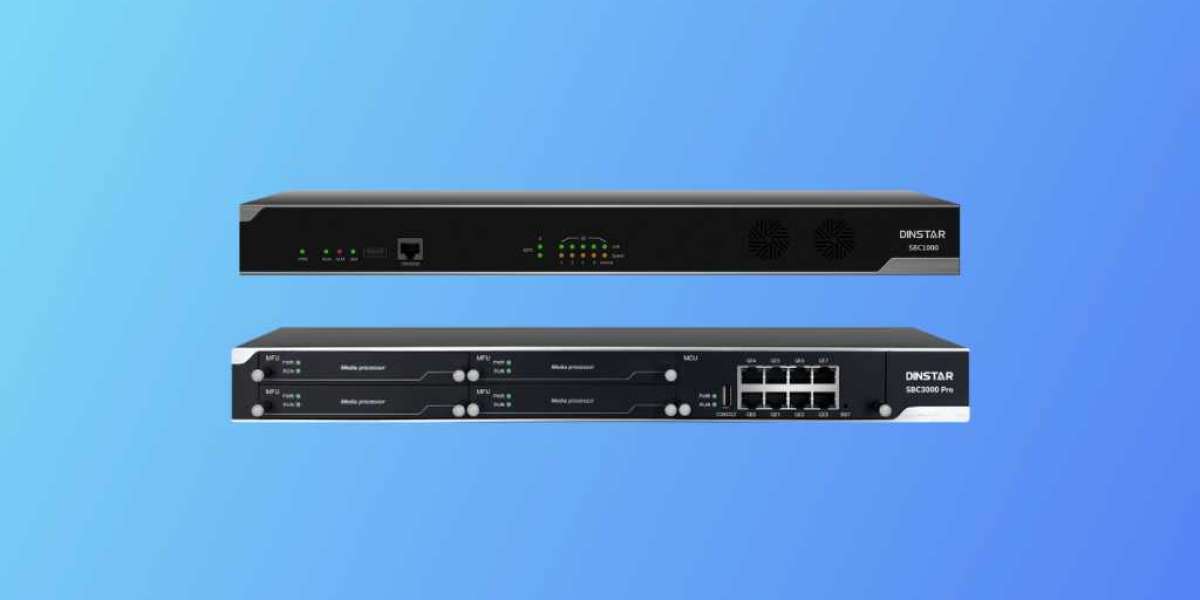

In today’s IP-based communication environment, voice and multimedia traffic travel across complex and often untrusted networks. Enterprises and service providers rely on Session Border Controller (SBC) solutions to ensure that real-time communication remains secure, reliable, and high-performing. Positioned at the edge of a VoIP network, an SBC acts as a control and security point for signaling and media streams, helping organizations manage voice traffic efficiently while protecting their infrastructure.
What Is an SBC and Why It Matters
A Session Border Controller is a specialized network element designed to manage communication sessions between different networks. These sessions may include voice calls, video calls, conferencing, or messaging. SBCs are especially critical when traffic moves between internal IP PBX systems and external networks such as SIP trunks or cloud-based communication platforms. By enforcing policy control, protocol normalization, and traffic management, an SBC ensures smooth interoperability while minimizing service disruptions.
Core Functions of an SBC
One of the primary roles of an SBC is session control. It manages call setup, modification, and termination while monitoring session quality in real time. Another key function is signaling and media handling, where the SBC separates signaling traffic from media streams and applies rules to each. This allows better bandwidth utilization, call routing, and quality enforcement across the network.
Security is equally important. SBCs protect VoIP systems from threats such as denial-of-service attacks, call fraud, and unauthorized access. By hiding internal network topology and validating signaling messages, the SBC prevents attackers from directly targeting critical communication assets.
SBC in VoIP Security
VoIP networks are highly vulnerable because they operate over IP, making them accessible from public networks. An SBC acts as a protective barrier by inspecting SIP messages, enforcing authentication policies, and blocking malformed or suspicious traffic. With built-in encryption support and access control mechanisms, Session Border Controller (SBC) solutions significantly reduce the risk of service abuse and data breaches.
Interoperability and Network Flexibility
Modern communication environments often involve equipment from multiple vendors and different SIP implementations. SBCs play a vital role in ensuring interoperability by normalizing SIP headers and resolving protocol inconsistencies. This allows organizations to connect IP PBX systems, SIP trunks, and cloud communication services without compatibility issues. As businesses scale or migrate to new platforms, SBCs provide the flexibility required for smooth transitions.
Quality of Service and Call Reliability
Maintaining consistent call quality is a major challenge in packet-based networks. SBCs monitor latency, jitter, and packet loss to ensure optimal voice quality. By prioritizing voice traffic and managing bandwidth allocation, an SBC helps deliver stable and clear communication even during peak network usage. This makes it a crucial component for enterprises that depend on uninterrupted voice services.
Role of SBCs in Modern IT and Unified Communications
As unified communications and cloud-based calling become standard, SBCs have evolved beyond basic border control devices. They now support advanced features such as cloud interconnects, remote workforce enablement, and compliance with regulatory standards. For IT teams, an SBC simplifies network management by centralizing control over voice traffic and security policies.
Conclusion
Session Border Controllers are no longer optional components in modern VoIP deployments. They provide the security, interoperability, and performance management required to operate reliable communication networks. Whether used in enterprise environments or service provider networks, an SBC ensures that voice and multimedia services remain protected, scalable, and future-ready.