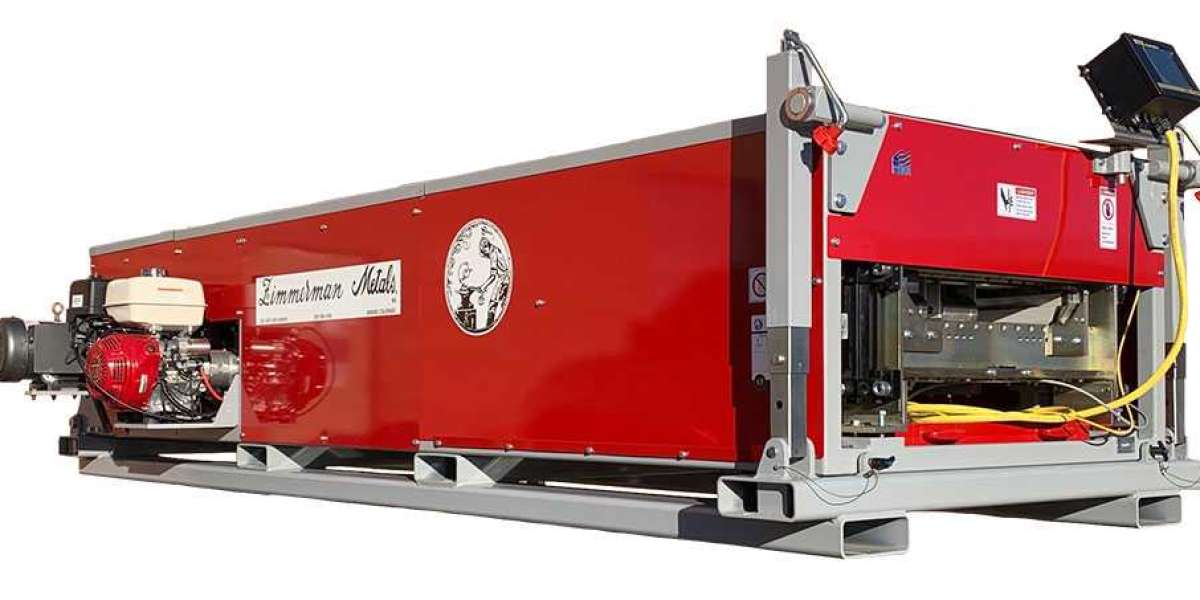

In the construction industry, efficiency, precision, and safety are paramount. Roofing, a critical stage in building construction, demands the right equipment to ensure quality and speed. This is where roofing machines come into play. Designed to streamline installation processes, improve productivity, and reduce labor-intensive work, roofing machines have become indispensable in modern construction projects. From residential homes to large commercial buildings, these machines are transforming the way roofing tasks are performed.
What Are Roofing Machines?
Roofing machines are specialized equipment used to cut, shape, bend, and install roofing materials. They can handle a wide range of materials, including asphalt shingles, metal sheets, tiles, and membrane systems. Unlike manual tools, roofing machines automate labor-intensive tasks, reduce human error, and speed up project completion.
Some common types of roofing machines include:
- Roll Forming Machines: Shape metal sheets into roofing panels or tiles.
- Roofing Nailers: Automate the nailing process for shingles or metal panels.
- Cutting Machines: Precisely cut metal sheets, tiles, or membranes.
- Seaming Machines: Seal joints and edges on metal roofs for a weather-tight finish.
- Roofing Sheet Rollers: Create curves and bends in metal panels for custom designs.
These machines vary in size and functionality, from portable handheld tools to large industrial units.
Advantages of Using Roofing Machines
1. Enhanced Efficiency
One of the main benefits of roofing machines is their ability to increase productivity. Tasks that previously required hours of manual labor, such as bending metal sheets or nailing shingles, can now be completed in a fraction of the time. This not only accelerates project timelines but also reduces labor costs significantly.
2. Improved Accuracy and Consistency
Manual roofing work can lead to inconsistencies in measurements, angles, and alignment. Roofing machines ensure precision in cutting, bending, and installing materials, producing consistent results that improve the overall quality and appearance of the roof.
3. Safety Benefits
Roofing is inherently risky, with workers exposed to heights, sharp tools, and heavy materials. Roofing machines minimize manual handling and repetitive tasks, reducing the risk of injuries. For instance, powered nailers eliminate the need to hammer hundreds of nails by hand, and roll forming machines reduce the need to lift and shape heavy metal sheets manually.
4. Versatility
Modern roofing machines are highly versatile and can handle different types of roofing materials and designs. From traditional metal roofing sheets to advanced polymer membranes, these machines adapt to various construction requirements. This versatility makes them ideal for both residential and commercial projects.
5. Cost-Effectiveness
While the initial investment in roofing machines may seem high, the long-term savings are substantial. Faster installation times, reduced labor costs, fewer material errors, and minimal maintenance requirements contribute to overall project cost-efficiency. Over time, these machines pay for themselves by improving workflow and reducing rework.
Popular Roofing Machines in Modern Construction
1. Roll Forming Machines
Roll forming machines are widely used in metal roofing projects. They convert flat metal sheets into corrugated or ribbed panels, providing strength and aesthetic appeal. These machines can produce panels in various widths and lengths, allowing for customized roofing solutions.
2. Automatic Roofing Nailers
Roofing nailers are indispensable tools for asphalt shingle installation. They drive nails at high speed and consistent depth, ensuring secure attachment and uniform appearance. Cordless and pneumatic options are available, making them suitable for different job sites and roof types.
3. Sheet Metal Cutters
Cutting machines designed for roofing applications precisely trim metal sheets or tiles to the required dimensions. They reduce material waste and prevent inaccuracies that could compromise the integrity of the roof. Some advanced models feature laser-guided cutting for unmatched precision.
4. Roof Seaming Machines
For standing seam metal roofs, seaming machines are essential. They seal overlapping panels, creating weather-tight joints that prevent leaks and enhance durability. These machines save significant time compared to manual seaming methods.
5. Membrane Welding Machines
Used primarily in commercial roofing, membrane welding machines fuse synthetic roofing membranes such as TPO or PVC. They ensure strong, uniform bonds and waterproof finishes, critical for flat or low-slope roofs.
Maintenance and Safety Tips
Proper maintenance and safety practices are crucial for the longevity and performance of roofing machines:
- Regular Cleaning: Remove debris, dust, and residue after each use to prevent damage and maintain efficiency.
- Lubrication: Ensure moving parts are well-lubricated to avoid wear and tear.
- Inspection: Check for worn-out or damaged components regularly. Replace parts as needed.
- Training: Only trained personnel should operate roofing machines to prevent accidents.
- Protective Gear: Operators should wear gloves, safety glasses, and appropriate footwear while using machines.
By following these guidelines, roofing machines remain reliable and safe, ensuring consistent performance over time.
How Roofing Machines Transform Construction Projects
The introduction of roofing machines has revolutionized the construction industry in several ways:
- Speed: Projects are completed faster, reducing downtime and enabling contractors to take on more work.
- Quality: Precise cutting, bending, and nailing improve the overall aesthetics and structural integrity of roofs.
- Labor Efficiency: Fewer workers are needed for intensive tasks, optimizing labor allocation.
- Innovation: Advanced machines allow architects and designers to experiment with unique roofing patterns, materials, and finishes.
These benefits make roofing machines an essential investment for modern construction companies and contractors.
Conclusion
Roofing machines are more than just tools—they are game-changers in construction. By combining efficiency, accuracy, safety, and versatility, these machines allow roofing professionals to deliver high-quality results faster and more reliably than ever before. Whether installing residential shingles, commercial metal panels, or advanced membrane systems, roofing machines are an indispensable asset that enhances productivity and reduces operational challenges.