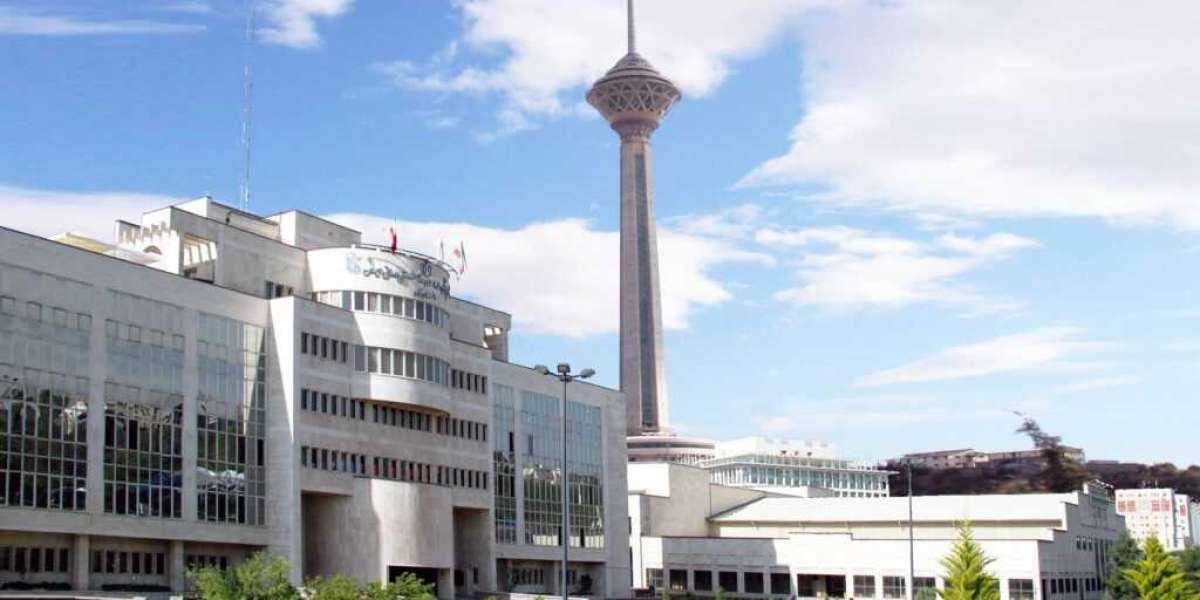

MBBS in Iran for medical aspirants is gaining strong attention as a reliable and affordable pathway to pursue medical education abroad. With English-medium programs, NMC-recognized universities, and a robust healthcare education system, Iran has emerged as a practical choice for students seeking quality medical training with global acceptance. This article explains everything you need to know about studying MBBS in Iran, with a focus on English-taught programs and university recognition.
Study MBBS in Iran: English-Medium Programs and NMC-Recognized Universities
Introduction
In recent years, the demand for MBBS abroad has increased due to limited seats and high fees in private medical colleges in India. Iran offers a well-structured medical education system, supported by government oversight and advanced clinical infrastructure. For medical aspirants who value academic quality, affordability, and international recognition, Iran stands out as a promising destination.
Medical Education System in Iran
Medical education in Iran is regulated by the Ministry of Health and Medical Education (MOHME). This centralized system ensures that all medical universities follow a standardized curriculum, maintain faculty quality, and provide adequate clinical exposure. Iranian medical universities are known for strong research output and hospital-based learning.
English-Medium MBBS Programs in Iran
Availability of English-Taught Courses
Many leading medical universities in Iran offer MBBS programs in English, especially for international students. The pre-clinical and para-clinical years are fully taught in English, making it easier for students from India and other countries to adapt academically.
Language Support During Clinical Training
During clinical rotations, students are encouraged to learn basic Persian (Farsi) to communicate with patients effectively. Universities provide language support classes to help international students integrate smoothly into hospital environments without affecting academic performance.
Duration and Structure of MBBS in Iran
The MBBS program in Iran generally lasts 6 years, structured as follows:
2 years of pre-clinical studies (basic medical sciences)
2–3 years of clinical studies (hospital-based learning)
1 year of compulsory internship
This structure ensures gradual academic progression along with early clinical exposure.
NMC Recognition and Global Acceptance
One of the most important concerns for Indian students is degree recognition. Medical universities in Iran are:
Recognized by the National Medical Commission (NMC), India
Listed in the World Directory of Medical Schools (WDOMS)
Acknowledged by WHO and FAIMER
Graduates are eligible to appear for licensing exams such as:
FMGE / NEXT (India)
USMLE (USA)
PLAB (UK)
This global acceptance allows students to pursue postgraduate studies or medical practice internationally.
Top NMC-Recognized Medical Universities in Iran
Some of the most preferred Iranian medical universities for international students include:
Tehran University of Medical Sciences
Shiraz University of Medical Sciences
Isfahan University of Medical Sciences
Mashhad University of Medical Sciences
Golestan University of Medical Sciences
These universities are known for advanced hospitals, experienced faculty, and strong academic reputations.
Fees Structure for MBBS in Iran
Studying MBBS in Iran is cost-effective compared to many other MBBS abroad destinations.
Approximate Annual Expenses:
Tuition fees: ₹2.5 – ₹5 lakh per year
Hostel accommodation: ₹60,000 – ₹1.2 lakh per year
Living expenses: ₹8,000 – ₹12,000 per month
The overall cost remains affordable while maintaining high academic standards.
Eligibility Criteria for MBBS in Iran
To apply for MBBS in Iran, students must fulfill the following requirements:
Minimum 17 years of age by 31st December of the admission year
Completion of Class 12th with Physics, Chemistry, and Biology
Minimum aggregate marks:
General category: 50% in PCB
Reserved category: 40% in PCB
NEET qualification is mandatory for Indian students
No additional entrance exams or language proficiency tests are usually required.
Admission Process for MBBS in Iran
The admission process is straightforward and transparent.
Step-by-Step Process:
Select an NMC-recognized medical university in Iran
Submit academic and identification documents
Receive an official admission or offer letter
Apply for a student visa
Travel to Iran and complete university enrollment
Admissions typically open between March and August, depending on the university.
Clinical Exposure and Practical Training
Iranian medical universities emphasize hands-on clinical training. Students receive exposure in:
Government and teaching hospitals
Modern diagnostic and treatment facilities
Diverse patient populations
This strong clinical foundation helps students perform better in licensing exams and future medical practice.
Living Environment and Student Life
Iran offers a safe and supportive environment for international students. Universities provide:
On-campus hostels with essential facilities
Affordable food and transportation
Dedicated international student offices
Major student cities such as Tehran, Shiraz, and Isfahan are known for their educational infrastructure and cultural richness.
Advantages and Considerations
Advantages
English-medium MBBS programs
NMC-recognized universities
Affordable tuition and living costs
Strong clinical and research exposure
Government-regulated medical education
Considerations
Need to learn basic Persian for patient interaction
Cultural adjustment in initial months
Limited international seats in top universities
With proper preparation, these factors are manageable.
Conclusion
MBBS in Iran for medical aspirants offers a well-balanced combination of quality education, English-medium instruction, and global recognition. With NMC-approved universities, structured clinical training, and affordable costs, Iran stands as a dependable option for students planning a medical career abroad.
For those seeking a strong academic foundation without excessive financial burden, studying MBBS in Iran is a choice worth serious consideration.