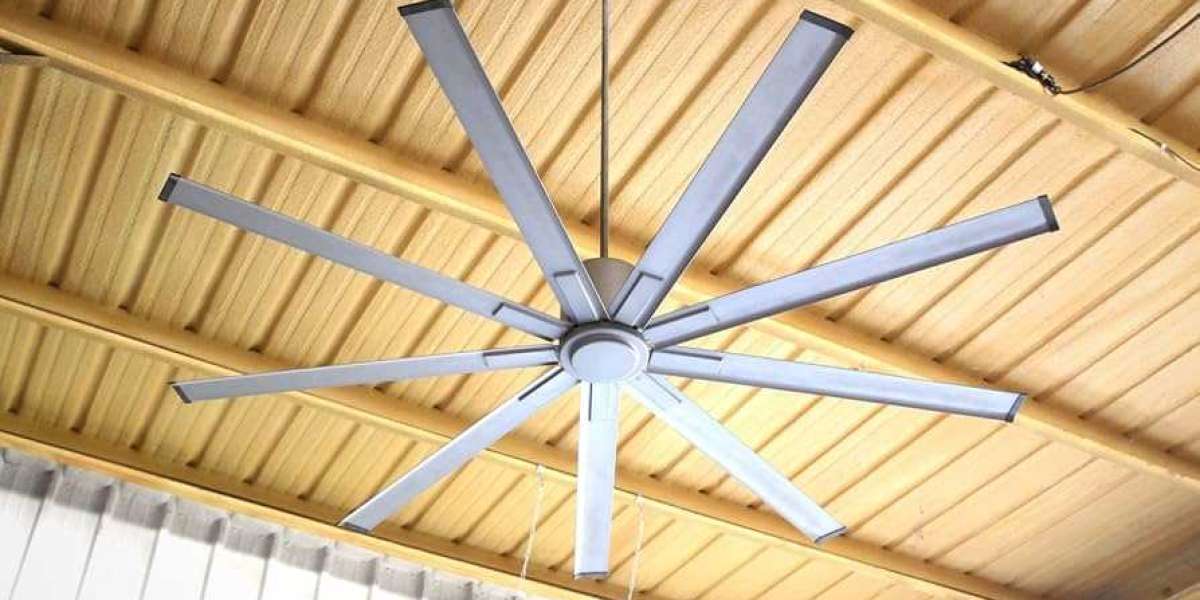

Warehouses and industrial facilities often struggle with uneven temperatures, stagnant air, and rising energy costs. Large open spaces, high ceilings, and constant activity make climate control challenging. Warehouse ceiling fans—commonly known as high-volume, low-speed (HVLS) fans—offer an effective solution by improving air circulation, boosting energy efficiency, and enhancing overall worker comfort.
Improved Air Circulation Throughout the Facility
One of the primary benefits of warehouse ceiling fans is their ability to move large volumes of air across expansive areas. Unlike traditional fans that create narrow, high-speed airflow, warehouse ceiling fans operate at low speeds while circulating air evenly across thousands of square feet.
This continuous air movement eliminates hot and cold spots, reduces humidity buildup, and prevents air from becoming stagnant. Improved circulation also helps disperse fumes, dust, and odors, creating a healthier and more comfortable working environment.
Enhanced Energy Efficiency and Lower Utility Costs
Warehouse ceiling fans play a major role in reducing energy consumption. During warmer months, the airflow created by these fans produces a cooling effect that allows facilities to raise thermostat settings without sacrificing comfort. This reduces the load on air conditioning systems and significantly lowers electricity bills.
In colder months, warehouse ceiling fans help with heat destratification. Warm air naturally rises and collects near the ceiling, while cooler air stays at floor level. By gently pushing trapped warm air downward, ceiling fans reduce the need for additional heating, improving overall energy efficiency year-round.
Increased Worker Comfort and Productivity
Employee comfort directly impacts productivity, safety, and job satisfaction. Excessive heat, poor airflow, and high humidity can lead to fatigue, discomfort, and even heat-related illnesses. Warehouse ceiling fans create a steady, gentle breeze that helps regulate body temperature and reduces heat stress.
Comfortable working conditions allow employees to focus better, work longer shifts safely, and maintain consistent performance. Reduced discomfort also lowers the risk of accidents caused by fatigue or overheating.
Support for Health and Safety Standards
Proper airflow is essential for maintaining indoor air quality in warehouses. Ceiling fans help reduce moisture buildup that can lead to mold or corrosion. They also assist in keeping floors dry by improving evaporation, which enhances safety and reduces slip hazards.
By supporting better air movement, warehouse ceiling fans contribute to a cleaner, safer environment that aligns with workplace health and safety standards.
Cost-Effective and Low Maintenance Solution
Compared to expanding or upgrading HVAC systems, warehouse ceiling fans are a cost-effective investment. They consume minimal electricity, require less maintenance, and have a long operational lifespan. Many modern fans are equipped with energy-efficient motors and smart controls that further optimize performance and savings.
Over time, the reduction in heating and cooling costs often results in a strong return on investment, making warehouse ceiling fans a practical choice for facility managers.
Conclusion
Warehouse ceiling fans are more than just airflow solutions—they are a strategic investment in energy efficiency, employee comfort, and operational performance. By improving air circulation, reducing energy consumption, and creating a safer, more comfortable work environment, these fans help warehouses operate more efficiently year-round. For facilities looking to enhance comfort while controlling costs, warehouse ceiling fans are a smart and reliable solution.