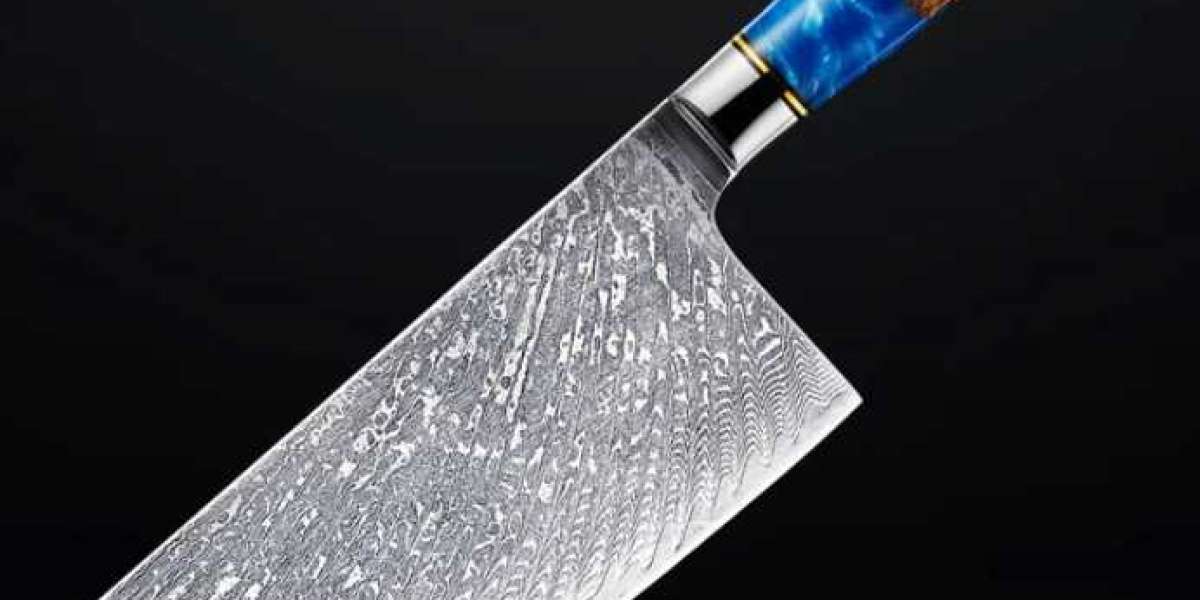

Understanding the Purpose of This Traditional Blade
When you step into the world of Japanese cutlery, you quickly realize that specific tasks require specialized tools rather than a single multipurpose blade. The Japanese culinary tradition places a high value on the integrity of the ingredient, which is why choosing high-quality deba knives is essential for anyone serious about seafood. This heavy, thick-spined tool is designed primarily for the breakdown and filleting of whole fish. Unlike a thin Western fillet knife that bends, this blade provides the heft needed to sever heads and glide through ribs with absolute authority and surgical precision.
Analyzing the Unique Single Bevel Design
A primary characteristic that sets this tool apart from your standard kitchen kit is the single-bevel edge which defines how the metal meets the board. When you use authentic deba knives in your kitchen, you are working with a blade that is sharpened only on one side to create a steeper angle. This geometry allows for a clean separation between the meat and the bone, ensuring that the delicate flesh of the fish remains intact and unbruised. The back of the blade usually features a slight concave called the urasuki, which prevents the moist fish proteins from sticking.
Selecting the Ideal Blade Length for Your Tasks
Size is perhaps the most critical factor when you are looking to purchase a new tool for your fish butchery. Most home cooks find that medium-sized deba knives ranging from 150mm to 180mm offer the most versatility for common species like snapper or trout. If you frequently handle smaller fish like mackerel, a ko-deba around 105mm might be more appropriate for your needs. Conversely, professional chefs working with large salmon or yellowtail will require a much longer blade to ensure they can complete the primary cuts in a single, smooth motion without sawing.
Material Matters: Carbon Steel vs Stainless Steel
The soul of a Japanese blade lies in its steel composition, which dictates how long it stays sharp and how much care it requires. Many traditionalists prefer high-carbon deba knives because they can be honed to an incredibly fine edge that stays sharp through hours of heavy use. White steel and blue steel are the most common variants, though they are prone to rusting if not dried immediately after use. For those who want the performance without the high maintenance, modern stainless steel alloys offer excellent corrosion resistance while still providing the necessary weight and durability for butchery.
Balancing Weight and Ergonomics in the Hand
Because these blades are significantly thicker than a standard chef's knife, the way they feel in your hand is paramount to safety and efficiency. You should look for deba knives that feel balanced at the heel rather than being overly tip-heavy, which helps prevent wrist fatigue during long preparation sessions. The traditional wa-handle is usually made of magnolia wood with a buffalo horn ferrule, offering a lightweight grip that contrasts with the heavy steel. This specific balance point allows the weight of the knife to do the hard work of cutting through bones.
Exploring Specialty Variants Like the Mioroshi Deba
While the standard version is a powerhouse for butchery, there are hybrid styles designed for those who want a bit more agility in their workflow. The mioroshi style of deba knives is thinner and longer, combining the features of a butchery blade with the slicing capabilities of a yanagiba. This is a fantastic option if you have limited space and want a single tool that can handle both the initial breakdown and the subsequent filleting tasks. It lacks the raw power of the thicker original version but offers a more streamlined experience for long-bodied fish.
Considering the Importance of Handle Styles
The interface between the cook and the blade can vary significantly between traditional Japanese designs and Western-influenced models. Most authentic deba knives feature a friction-fit wooden handle that is easy to replace if it becomes worn over decades of professional use. These handles are often D-shaped or octagonal to provide a secure grip even when your hands are wet from cleaning fish. If you prefer a more familiar feel, some manufacturers offer "Yo-Deba" versions with full-tang Western handles and rivets, providing a more balanced weight distribution for those accustomed to European cutlery.
Maintenance and Sharpening for Longevity
Investing in a professional-grade tool requires a commitment to its upkeep, especially given the unique geometry of a single-bevel edge. To keep your deba knives in peak condition, you will need a set of whetstones rather than a simple pull-through sharpener or a honing rod. The process involves sharpening the front bevel at a consistent angle while briefly "lapping" the flat back side to remove the burr. Regular oiling and immediate cleaning are also necessary to prevent the thick spine from developing pitting or rust, ensuring the tool remains a functional heirloom for many years.
Budgeting for Quality in Your Kitchen
Price points for these specialized tools can range from affordable entry-level options to custom-forged masterpieces that cost hundreds of dollars. When evaluating different deba knives on the market, consider that you are paying for the quality of the heat treatment and the skill of the blacksmith. While a machine-pressed blade might save you money upfront, a hand-forged blade will generally offer better edge retention and a more refined urasuki grind. It is often better to buy one high-quality medium blade than a set of several cheaper ones that won't hold their edge.
Finalizing Your Decision Based on Cooking Style
Ultimately, the right choice depends on how often you find yourself standing over a whole fish with the intention of making sushi or fillets. If you are a weekend angler or a culinary enthusiast who values the "nose-to-tail" approach, adding deba knives to your collection will fundamentally change how you interact with seafood. By selecting a blade that matches the size of your typical catch and your willingness to maintain carbon steel, you ensure a smoother cooking experience. This tool is a bridge between raw ingredients and a beautiful final dish, rewarding the user with unmatched control.