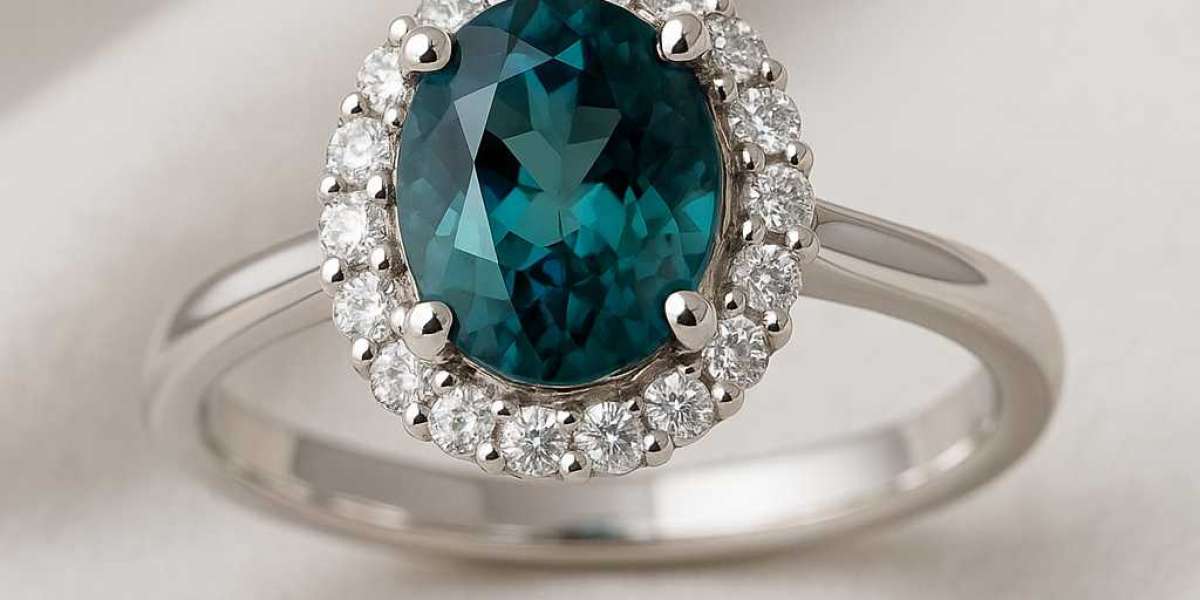

A Teal Sapphire has become one of the most desirable gemstones for people who want something unique, meaningful, and stylish. Its blend of blue and green tones gives it a calm, ocean-like feel that stands out from traditional colorless diamonds and classic blue sapphires. This guide will walk you through what the stone is, why it’s trending, how to choose it, and how to care for it—using simple, human-friendly language.
What Is a Teal Sapphire?
A Teal Sapphire is a variety of sapphire (corundum) that naturally displays a mix of blue and green tones. Instead of being purely blue, this stone sits beautifully between deep sea blue and rich forest green.
Basic Characteristics
Part of the corundum family (same as blue sapphire and ruby)
Typically shows blue–green or green–blue body color
Very hard and durable (9 on the Mohs hardness scale)
Suitable for everyday wear, especially in rings
Available in many shapes: oval, round, pear, cushion, emerald-cut, and more
Because of its hardness and durability, this gemstone is ideal for engagement rings, daily-wear jewelry, and heirloom pieces.
How the Teal Color Appears
The teal tone forms because of trace elements inside the crystal structure. These tiny amounts of elements influence how the stone absorbs and reflects light, creating that special blue–green mix.
You may notice that the color changes slightly in different lighting:
In daylight: It may look more fresh, greenish-blue.
Under indoor or warm light: It may appear deeper, moodier, and more blue.
This gentle color shift is natural and part of the charm of the stone, making each gem feel alive and unique.
Why Teal Sapphire Jewelry Is in Demand
Jewelry buyers today want something personal, not just traditional. That is one reason this gemstone has become popular for engagement rings and fine jewelry.
What Makes It So Attractive?
Uniqueness: No two stones have exactly the same mix of blue and green.
Modern look: The cool color feels fresh and contemporary.
Emotional meaning: Often associated with calm energy, balance, and emotional depth.
Alternative to diamonds: Offers beauty, strength, and individuality without following the usual diamond trend.
For couples or individuals who want their jewelry to reflect personality and story, this stone is a great match.
Symbolism and Emotional Meaning
Many people connect this gemstone with:
Inner peace and emotional healing
Balance between heart (green tones) and mind (blue tones)
Honesty, clarity, and open communication
Courage to choose a unique path
These symbolic associations make the stone ideal for commitment jewelry, anniversary gifts, or personal “milestone” pieces.
How Color Makes a Teal Sapphire Unique
Not every teal stone looks the same. That’s part of the fun of choosing one.
Color Ranges You Might See
Blue-dominant teal: Looks more like deep ocean water with a hint of green.
Green-dominant teal: Feels more earthy and nature-inspired.
Balanced teal: An even mix of blue and green—often considered the “perfect” teal by many buyers.
Everyone’s taste is different. Some people love a darker, mysterious tone; others prefer a softer, lighter seafoam shade.
Factors That Affect Color Quality
When you shop for this gemstone, pay attention to:
Tone: How light or dark the color is.
Saturation: How strong and vivid the color looks.
Cut: A well-cut stone will look brighter and more lively.
Lighting: Always try to see the gem in natural daylight if possible.
A medium to medium-dark tone with strong saturation often gives the richest and most attractive teal appearance.
Clarity, Cut, and Shape: What to Look For
Clarity
Like all natural gemstones, small internal features (inclusions) are common. The goal isn’t perfection but a stone that looks clean to the naked eye.
Minor inclusions are normal.
As long as they don’t block light or weaken the stone, they are acceptable.
Cut
The cut affects how bright and lively the stone appears.
A good cut will:
Maximize sparkle and light return
Make the color look even and rich
Hide or reduce the visibility of inclusions
Popular Shapes
Some favorite shapes for teal-colored sapphires include:
Oval
Round brilliant
Cushion
Pear
Emerald-cut
Each shape gives a slightly different feel—round and oval look classic, while emerald and cushion shapes feel more vintage or bold.
Choosing a Teal Sapphire for Engagement Rings
Colored gemstone engagement rings have become a major trend, and this stone is often at the top of the list.
Why Many Couples Choose It
Personal style: It feels special and less predictable than a diamond.
Durability: With a hardness of 9, it is strong enough for everyday life.
Symbolism: The mix of blue and green can represent two lives blending into one.
Versatile design options: Works beautifully in simple or detailed settings.
Popular Engagement Ring Styles
Some stylish ideas include:
Solitaire ring: One teal stone in a simple band—clean and modern.
Halo ring: The center gem surrounded by small diamonds for extra sparkle.
Three-stone ring: The teal center gem with diamonds or other gemstones on each side.
Vintage-inspired: Detailed metalwork, milgrain, or filigree around the stone.
You can pair the gem with many metals:
White gold or platinum for a cool, elegant look
Yellow gold for a warm, rich contrast
Rose gold for a romantic, soft glow
Uses of This Gemstone in Modern Jewelry
This blue–green sapphire is not limited to engagement rings. It works beautifully in many types of jewelry.
Common Jewelry Pieces
Rings: Everyday rings, cocktail rings, eternity bands
Necklaces: Simple pendants, layered necklaces, statement pieces
Earrings: Studs, small drops, long dangle earrings
Bracelets: Delicate chains with a single stone or tennis-style designs
Because of its durability and strong color, it stands out whether used alone or combined with diamonds and other gemstones.
Who Will Love This Gemstone?
It’s especially ideal for people who:
Love nature-inspired colors like oceans, lakes, and forests
Want unique jewelry that still feels refined and elegant
Prefer long-lasting pieces that can be worn daily
Value both beauty and deeper meaning in their jewelry
Benefits of Choosing This Gemstone
There are several layers of benefits: practical, visual, and emotional.
Practical Benefits
Very hard and durable for long-term wear
Suitable for rings, bracelets, and other daily-wear pieces
Often more affordable than high-end blue sapphires or large diamonds
Works well as a central stone or side accent gem
Aesthetic Benefits
Distinctive blue–green color that draws attention
Looks good with many skin tones and metal colors
Can be styled to look modern, vintage, minimal, or glamorous
Emotional and Personal Benefits
People often choose this gemstone when they want:
Jewelry that reflects their individuality
A symbol of emotional balance and calm
A reminder of nature, water, or meaningful life moments
Styling Ideas: How to Wear Teal-Colored Sapphire Jewelry
Everyday Looks
For daily wear, consider:
A small oval or round stone in a thin gold or platinum band
Stud earrings with teal-toned sapphires for subtle color
A dainty pendant that adds a soft pop of blue–green to simple outfits
These pieces are easy to wear with jeans, office clothes, or simple dresses.
Special Occasions
For events, parties, or celebrations, try:
A statement ring with a large teal center stone
Drop earrings that catch the light and show off the color
A matching set of ring, earrings, and pendant for a polished, coordinated look
The gemstone’s rich color pairs beautifully with darker outfits (black, navy, emerald) and also stands out against softer tones like cream or blush.
Caring for Your Teal Sapphire Jewelry
Even though this gemstone is tough, proper care keeps it bright and secure for many years.
Daily Care Tips
Remove jewelry before heavy exercise, lifting, or rough work.
Avoid strong chemicals such as bleach, harsh cleaners, or chlorine.
Put on jewelry after applying perfume, lotion, makeup, and hair products.
Safe Home Cleaning
You can clean your jewelry at home by:
Filling a small bowl with warm water and a few drops of mild dish soap
Soaking the piece for a few minutes
Gently brushing around the stone and setting with a soft toothbrush
Rinsing with clean water and drying with a soft, lint-free cloth
Avoid abrasive materials or very strong ultrasonic cleaners unless a jeweler confirms they are safe for your specific piece.
Professional Care
Every 6–12 months, it’s wise to:
Have a jeweler check the prongs, claws, and setting
Get the piece professionally cleaned
Make sure the stone is secure and not loose
This helps prevent damage or loss and keeps your jewelry looking its best.
Buying Tips: Natural vs Lab-Grown Teal-Colored Sapphires
When shopping, you may see both natural and lab-grown options.
Natural Stones
Formed naturally over millions of years inside the earth
Each one is truly unique
Often more expensive, especially with strong, well-balanced color and good clarity
Lab-Grown Stones
Created in laboratories using advanced technology
Have the same basic physical and chemical properties as natural stones
Usually more budget-friendly, allowing you to choose larger sizes or richer colors for the same price
Frequently Asked Questions about Teal Sapphire
1. Is this gemstone durable enough for an engagement ring?
Yes. This sapphire variety ranks 9 on the Mohs hardness scale, making it one of the hardest gemstones used in jewelry. With normal care, it is strong enough for everyday wear in an engagement ring.
2. Does the color really change in different light?
Many teal-colored sapphires show slight shade changes in different lighting. They might look more greenish in daylight and slightly more blue or deeper indoors. This effect is normal and adds character to the stone.
3. Is it rare?
Well-balanced, richly colored blue–green stones are not as common as standard blue sapphires. While not the rarest gemstone in the world, fine examples are considered special and sought-after.
4. Can I wear this stone every day?
Yes, you can wear it daily, especially in rings and pendants, as long as you take basic care: avoid harsh impacts, chemicals, and extreme conditions, and clean it gently when needed.
5. Which metal works best with teal-colored sapphires?
White gold and platinum highlight the cool tones of the stone. Yellow and rose gold create a warm, contrasting frame that can feel vintage or romantic. The best choice depends on your skin tone and style.
6. Are treatments common for this gemstone?
Heat treatment is common in sapphires to improve color and clarity. This is widely accepted in the jewelry industry. If you prefer untreated stones, ask the seller specifically and check any available lab reports.
7. Is it a good choice if I want something different from a diamond?
Absolutely. It offers a unique color, strong durability, and a meaningful story—perfect for people who want their jewelry, especially engagement rings, to look and feel different from the usual.
8. How do I make sure I’m getting a good quality stone?
Buy from reputable jewelers or trusted online stores
Ask about origin, treatments, and return policies
Look at the stone in different lighting if possible
Check that the color is pleasing to your eye and the cut looks bright and lively