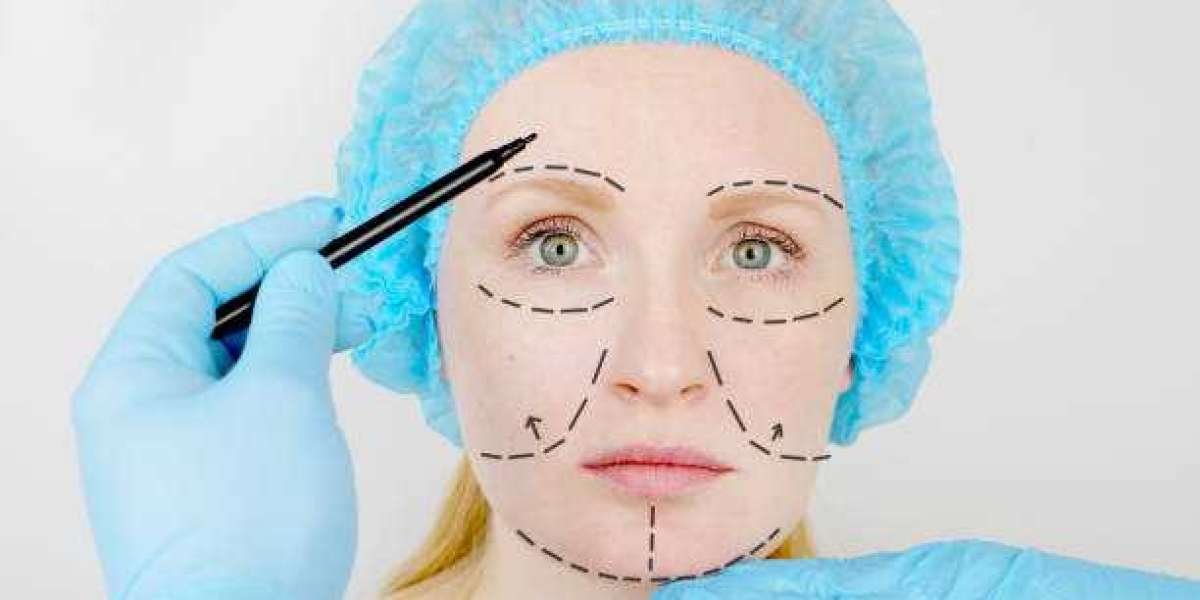

A thread lift can be a highly effective, minimally invasive way to achieve a more youthful and lifted appearance. However, it is not suitable for everyone.Thread Lift in Riyadh For those exploring a Thread Lift in Riyadh, understanding candidacy is essential for achieving a satisfying outcome. The success of the procedure depends on matching the treatment to the right patient.
Who Is an Ideal Candidate?
The ideal candidate is someone with mild to moderate skin laxity who wants a subtle improvement rather than a dramatic change. Key indicators include:
Good skin elasticity: The skin needs to have enough "snap" to respond well to the threads. Patients with good elasticity tend to see better and longer-lasting results.
Mild to moderate sagging: Patients who are beginning to notice a softening of the jawline, early jowling, or a drop in the brows are often ideal candidates. A thread lift is not designed for patients with significant skin redundancy or heavy jowls.
Realistic expectations: The best candidates understand that a thread lift provides a subtle lift, not a dramatic transformation. They are looking for a refreshed, natural look, not the comprehensive correction of a facelift.
Good overall health: Candidates should be in good health, with no active infections or serious medical conditions that could impair healing. Non-smokers tend to have better collagen production and faster healing times.
Aged 30s to 50s: The majority of patients seeking thread lifts are in their 30s to 50s, as this is the stage when early signs of sagging begin to appear. However, age is less important than skin quality and the degree of laxity.
Who Is Not a Good Candidate?
Patients with significant sagging: Those with heavy jowls, deep folds, or significant neck laxity may not achieve the desired outcome from a thread lift. These patients are better suited for a surgical facelift.
Patients with unrealistic expectations: Believing that a thread lift can produce results comparable to a facelift sets patients up for disappointment.
Patients with very poor skin quality: Individuals with severely sun-damaged or thin skin may not respond well to threads, as the skin may not have enough structural integrity to support the lift.
Patients with active skin infections or conditions: Thread lifts should be postponed until any skin infections, such as cold sores or acne, have resolved.
The Role of the Consultation
The consultation is where candidacy is determined. Your practitioner will assess your skin laxity by manually lifting the skin to simulate how threads could reposition tissue. They will evaluate your facial structure, skin quality, and volume distribution to assess if a thread lift can deliver your desired outcome. For patients whose concerns are more advanced, the practitioner may recommend alternative or complementary treatments. For those considering a brow lift surgery in Riyadh, a consultation can help clarify whether a thread lift offers sufficient lift or if a surgical approach is more appropriate.
For those seeking expert guidance and customised aesthetic care, you can book an appointment consultation at the Enfield Royal Clinic.
Frequently Asked Questions
What is the ideal age for a thread lift?
Most patients are in their 30s to 50s, but age is less important than skin quality and the degree of sagging.
Can a thread lift fix heavy jowls?
No, a thread lift is designed for mild to moderate sagging. Heavy jowls typically require surgical correction.
Is a thread lift suitable for patients with very thin skin?
Patients with thin or fragile skin may not be ideal candidates, as the threads may be visible or palpable under the skin.
Can a thread lift be combined with a facelift?
Yes, a thread lift can be used as a complementary treatment to maintain the results of a facelift or as a standalone option for those not ready for surgery.
How do I know if I have good skin elasticity?
Your practitioner will assess your skin's elasticity during a consultation by pinching and releasing the skin to see how quickly it returns to place.