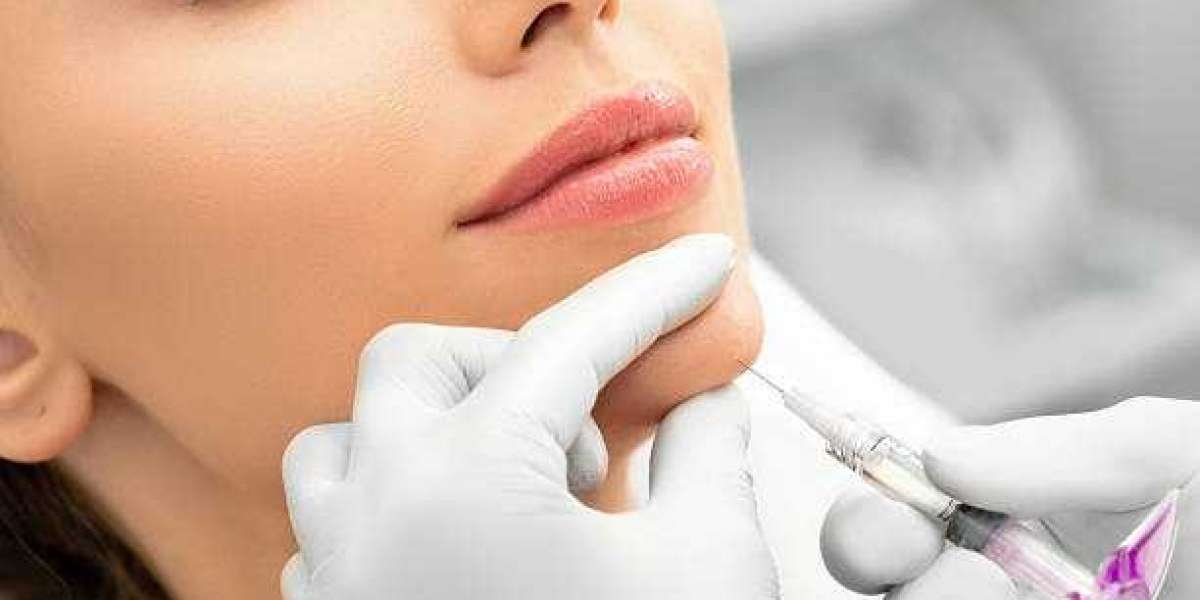

Smile lines are facial creases that become more noticeable around the mouth during smiling and other expressions. Juvederm Treatment in Dubai may be considered for selected patients when hyaluronic acid filler is appropriate for the specific facial area, but the treatment goal is usually to soften the appearance of lines rather than eliminate every natural crease.
A proper assessment is important because smile lines can be influenced by skin quality, facial movement, changes in soft-tissue volume, and the structure surrounding the mouth.
What Are Smile Lines?
“Smile lines” is a common non-medical term used to describe lines that become more visible around the mouth during facial expression.
The term can refer to different facial features depending on what a patient notices in the mirror. These may include lines extending from the nose toward the mouth or other creases around the corners of the lips.
Because the terminology is broad, a clinician should identify the exact anatomical concern before recommending an injectable treatment.
Smile Lines vs Nasolabial Folds
Nasolabial folds are a specific anatomical contour extending from the side of the nose toward the corner of the mouth.
Smile lines can be used more generally to describe visible creasing around the mouth.
The two terms can overlap in everyday conversation, but they should not automatically be treated as identical concerns.
Why Smile Lines Become More Visible
Several factors can contribute to increased visibility around the mouth.
Repeated Facial Movement
Smiling, speaking, eating, and other expressions repeatedly move the tissues around the mouth.
Over time, these movements can contribute to more visible dynamic and static creasing.
Changes in Facial Volume
Age-related changes in facial soft tissue can alter the relationship between the cheeks, midface, mouth, and lower face.
These changes may make existing facial lines appear more prominent.
Changes in Skin Elasticity
Skin gradually changes with age and environmental exposure.
Reduced elasticity and changes in collagen can make facial creases more noticeable, particularly when combined with movement and changes in underlying support.
Individual Facial Anatomy
Genetics and facial structure also influence where lines naturally develop.
Two people of the same age can therefore have very different degrees and patterns of smile-line formation.
How Juvederm May Be Used for Smile Lines
JUVÉDERM is a collection of hyaluronic acid-based dermal fillers with different formulations and approved uses.
For appropriate patients, a clinician may use a suitable JUVÉDERM product to improve the appearance of certain facial lines or restore volume in designated facial areas.
The precise approach depends on the product, treatment area, anatomy, and intended correction.
Why the Visible Line Is Not Always the Whole Problem
One of the most important considerations is identifying what is contributing to the visible crease.
A smile line may appear deeper because of changes in nearby volume rather than simply because the skin has developed a deeper groove.
This means the clinician may assess:
- Cheek structure
- Midface volume
- Skin quality
- Facial symmetry
- Lip and mouth movement
- Existing filler
- The depth and pattern of the line
The objective is to understand the facial relationship before deciding where an injectable should be placed.
Direct Treatment vs Supporting Facial Areas
Direct Line Correction
In selected cases, filler may be placed around the line to reduce its visual depth.
The amount and injection plane should be determined according to the patient's anatomy and the characteristics of the selected product.
Addressing Adjacent Volume
If changes in surrounding facial volume contribute to the appearance of the line, the clinician may consider whether another facial area needs attention.
This does not mean that every smile line requires cheek or midface filler. It simply highlights why an anatomical assessment is more useful than treating every visible crease in isolation.
What Makes Treatment Planning Individual?
There is no universal injection pattern that works for every face.
A treatment plan can vary according to:
- Age and facial anatomy
- Degree of visible creasing
- Skin elasticity
- Facial movement
- Existing volume distribution
- Previous filler
- Desired degree of correction
- Product-specific characteristics
- Medical history
- Patient expectations
This individualized approach is particularly important around the mouth because the area is highly mobile.
Can More Filler Create a Better Result?
Not necessarily.
Using excessive filler to completely flatten a facial crease can change the natural movement and proportions of the face.
A clinician may instead aim for controlled softening that preserves facial expression.
The appropriate amount depends on the individual and should be determined during treatment planning.
Why Facial Movement Matters
The mouth is one of the most dynamic regions of the face.
Everyday activities can repeatedly compress, stretch, and move the surrounding tissues.
Therefore, a result that looks appropriate when the face is completely relaxed should also be considered in the context of normal expression.
This is one reason why treatment planning for smile lines requires more than simply measuring the depth of a crease.
How Product Selection Fits Into the Plan
Different JUVÉDERM formulations have different characteristics and approved applications.
Product selection should therefore not be based solely on the brand name.
The clinician may consider:
- Treatment location
- Desired correction
- Tissue characteristics
- Product properties
- Injection technique
- Facial movement
- Existing filler
- Individual anatomy
Patients can ask which formulation is being recommended and why it is suitable for the specific treatment area.
What Results Should Patients Expect?
The objective is generally to make the targeted line less noticeable rather than to create completely smooth, expressionless skin.
Results can vary according to:
- The severity of the line
- Underlying facial structure
- Product selection
- Amount used
- Injection technique
- Skin quality
- Individual response
Patients should discuss their desired level of correction during consultation so that expectations are realistic.
Can Juvederm Treat Every Type of Smile Line?
No.
Some lines are influenced strongly by skin texture, pigmentation, muscle movement, or significant tissue laxity.
Dermal filler may not be the most appropriate solution for every type of facial crease.
A clinician should determine whether the concern is primarily related to volume, structure, skin quality, movement, or a combination of factors.
What Happens During the Assessment?
The clinician may examine the face at rest and during facial expressions.
They can assess the relationship between the cheeks, nose, mouth, lips, and surrounding tissues before developing a treatment plan.
Previous cosmetic procedures should also be discussed, particularly previous dermal filler injections.
This assessment helps determine whether filler is appropriate and what degree of correction may realistically be achieved.
Potential Temporary Reactions
Like other dermal filler procedures, treatment can produce temporary reactions around injection sites.
These can include:
- Swelling
- Redness
- Bruising
- Tenderness
- Firmness
- Itching
- Lumps or bumps
The intensity and duration of these reactions vary between individuals.
Important Safety Considerations
Dermal fillers have potential risks beyond temporary injection-site reactions.
Rare but serious complications can occur if filler is inadvertently introduced into a blood vessel. Possible consequences include vascular occlusion, tissue injury, visual impairment, or stroke.
For this reason, treatment should be performed by an appropriately qualified medical professional with knowledge of facial anatomy and appropriate complication management.
Patients should disclose relevant allergies, medical history, medications, previous filler, and previous reactions before treatment.
When May Another Approach Be More Appropriate?
Filler is not the only possible approach to facial lines.
If significant skin laxity or another structural issue is contributing to the appearance of the line, filler alone may provide limited improvement.
A consultation can help determine whether an injectable treatment is appropriate or whether another strategy would better address the underlying concern.
How to Prepare for a Consultation
A useful consultation starts with accurate information.
Before your appointment, consider making a note of:
- Previous filler treatments
- Other facial procedures
- Known allergies
- Current medications and supplements
- Previous reactions to injections
- The specific facial concern you want addressed
- Your preferred level of correction
It is also useful to explain what you do and do not want to change.
For example, a patient may want softer smile lines while maintaining natural facial movement.
Frequently Asked Questions About Juvederm Treatment in Dubai
Can Juvederm soften smile lines?
It may soften certain facial lines in appropriately selected patients, depending on the specific anatomy and product indication.
Are smile lines the same as nasolabial folds?
Not always. “Smile lines” is a broader everyday term, while nasolabial folds describe a specific anatomical facial contour.
Does Juvederm completely remove smile lines?
No. The realistic goal is usually to reduce their prominence while maintaining natural facial expression.
Does deeper creasing require more filler?
Not necessarily. Treatment quantity depends on anatomy, product selection, tissue characteristics, and the desired correction.
Can facial movement affect smile-line treatment?
Yes. The mouth is highly dynamic, so facial movement is an important consideration when planning treatment.
Can cheek volume influence smile lines?
Yes. Changes in surrounding facial volume can affect how prominent lines around the mouth appear.
Are all Juvederm products suitable for smile lines?
No. Different JUVÉDERM formulations have different characteristics and approved applications.
How long can the results last?
Duration varies according to the specific product, treatment area, individual factors, and other variables.
Is swelling normal after treatment?
Temporary swelling can occur after dermal filler injections. Your provider should explain expected reactions and when to seek medical attention.
Can Juvederm cause serious complications?
Rare serious complications can occur, including vascular complications. Appropriate medical assessment and qualified injection technique are important safety considerations.
The Strategic Investment
The best approach to facial lines is not necessarily to make every crease disappear. Juvederm Treatment in Dubai can be considered for selected patients when the specific facial concern, anatomy, product, and treatment objective are appropriate, with the goal of achieving controlled improvement rather than excessive correction.
For patients researching Juvederm options for facial lines in Dubai, a consultation can help identify whether the visible smile line is primarily related to volume, skin quality, facial movement, or surrounding facial structure. This allows the treatment plan to be based on the individual's anatomy and realistic expectations rather than a generic injection formula.
For personalized assessment and treatment planning, Tajmeels Clinic can help patients discuss their concerns, understand suitable options, and make an informed decision before proceeding.