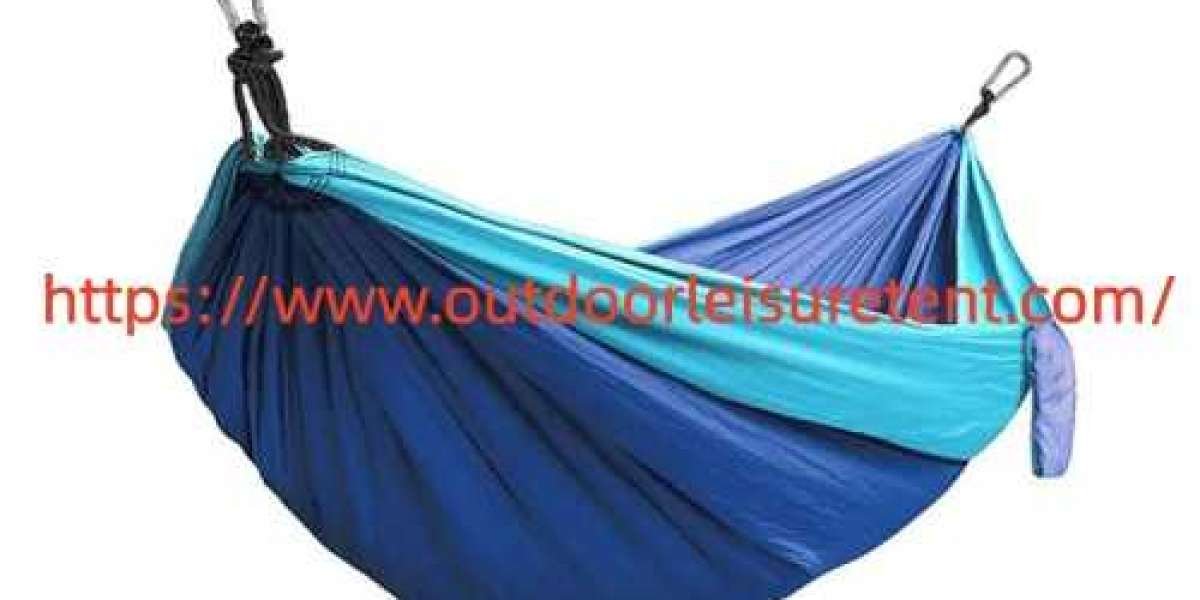

Hammock Wholesaler selection deserves careful attention when buyers are preparing an outdoor leisure collection. Price is only one part of the decision. Product materials, dimensions, construction, packaging, customization, quality control, and communication can all affect purchasing results. A product such as an Elastic Hammock may also suit a different customer group from a compact camping model, so buyers should begin with the intended market and actual usage conditions.
The first step is to define who will purchase the product. A retailer focused on garden relaxation may look for comfortable fabrics, appealing colors, generous dimensions, and simple care requirements. A camping retailer may place greater importance on lightweight construction, compact storage, quick setup, and convenient accessories. Market positioning should therefore be considered before product specifications are finalized.
Material selection is another important point. Cotton, polyester, nylon, polypropylene, and other fabrics can provide different combinations of comfort, weight, moisture handling, appearance, and outdoor suitability. Recent industry research shows continued interest in cotton products while nylon is gaining attention in portable outdoor applications. Outdoor use also represents a significant portion of overall category demand.
Buyers should ask for precise information about fabric composition, fabric weight, weaving structure, color options, stitching, and care instructions. If products will be sold in regions with frequent rain or strong sunlight, environmental conditions should be discussed during product selection. A material that works well for covered leisure areas may not suit frequent exposure to changing weather.
Dimensions should be checked before an order is confirmed. Single and double configurations can serve different customer needs, while width and length influence comfort and installation requirements. Packed dimensions are also worth reviewing, especially when products will be shipped through e commerce channels or stored in limited warehouse space.
Load information requires careful communication as well. Buyers should ask how the stated figure was determined and whether testing documentation is available when needed. Different testing methods can produce different results, so purchasing teams should make sure the specification and testing method are clearly understood by both sides.
Construction details can be difficult to judge from product photographs alone. Requesting samples gives buyers an opportunity to examine fabric texture, seam finishing, reinforcement points, suspension components, hardware, and attachment areas. The sample can also be checked for actual dimensions, color consistency, packaging, labels, and overall presentation.
Customization may be useful for retailers that want products suited to a particular customer base. Buyers can discuss color combinations, private labels, logos, packaging, dimensions, accessories, and other product details. It is important to ask about minimum quantities for customized production because different options may require different production arrangements.
Packaging should be discussed at the same time. Retail packaging may require printed information, barcode space, individual cartons, or specific labeling. Products intended for online distribution may benefit from compact packaging that reduces storage requirements and supports easier handling during delivery.
Quality inspection is another area that should be clarified before production begins. Buyers can ask how raw materials are checked and how finished products are inspected. Useful checkpoints may include dimensions, stitching, fabric condition, hardware, color consistency, packaging, and load related specifications.
Communication during production can also affect the purchasing experience. Buyers should consider how clearly a supplier responds to technical questions, confirms samples, handles changes, and communicates production progress. Clear communication helps reduce misunderstandings when specifications involve several customized details.
Mansen works with outdoor leisure products and provides options designed for different usage scenarios and sales channels. Buyers can discuss product configurations according to their target market, preferred materials, packaging requirements, and customization plans. This approach allows purchasing teams to focus on practical product requirements rather than simply comparing catalog prices.
Timing is another consideration for seasonal categories. Current industry data indicates that interest in outdoor leisure products can vary throughout the year, with spring and summer preparation influencing purchasing activity in many markets. Buyers should therefore consider expected sales periods, production schedules, sample approval, inspection, and shipping time when planning inventory.
A clear purchasing process can make supplier evaluation easier. Start with the intended customer, define the required specifications, review materials, request samples, check construction, confirm customization, discuss packaging, and establish inspection requirements. This sequence gives both sides a practical reference before production begins.
For retailers and distributors building an outdoor leisure collection, choosing a suitable manufacturing partner is about matching products with real customer expectations. Mansen offers outdoor leisure solutions for different market requirements, and buyers can review available products and configurations at https://www.outdoorleisuretent.com/product/ when preparing their next purchasing plan.