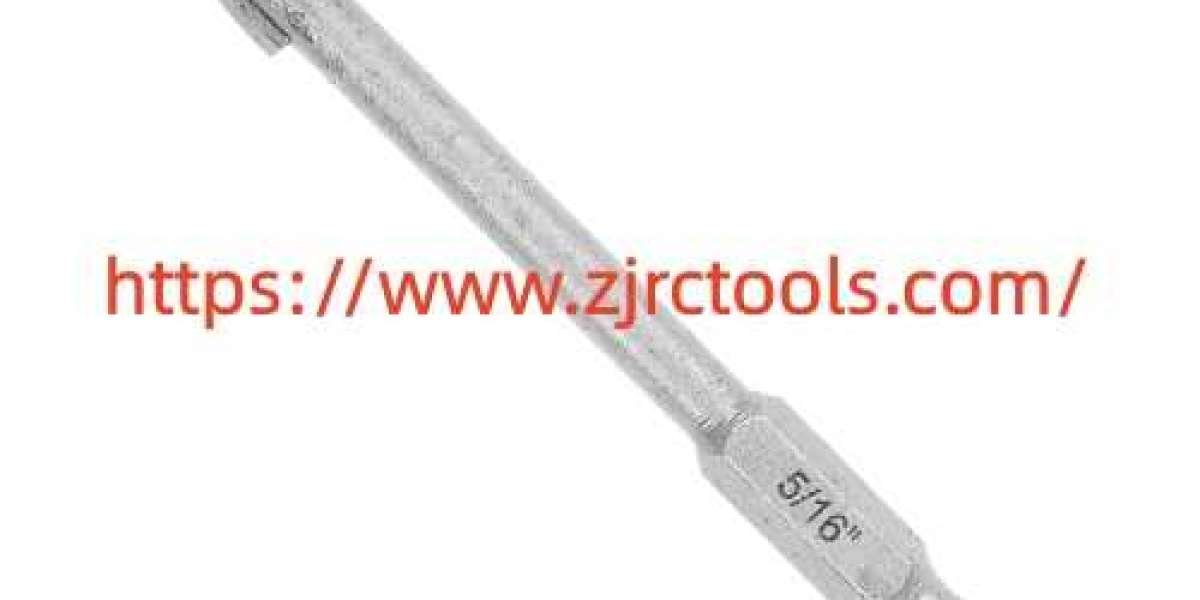

Glass Drill Bit selection can have a direct influence on how glass behaves during drilling. Because glass is hard but brittle, concentrated pressure, vibration, friction, and heat around the hole can create conditions that encourage chipping or cracking. The right tool alone cannot remove every risk, but matching the tool with the material, machine, hole diameter, and operating method can make the process easier to control. Industry guidance also recommends low speed, light pressure, and continuous cooling for many glass drilling applications.
The first consideration is the type of glass. Not every glass product can be treated in the same way. Annealed glass can generally be processed with suitable tooling and controlled techniques, while tempered glass presents a different situation because its internal stress makes conventional drilling unsuitable. Identifying the glass type before machining is therefore an important part of preparation.
Glass thickness should also be considered. Thin sheets can be sensitive to excessive pressure and vibration, while thicker pieces may require more control because the tool remains in contact with the material for a longer period. The required hole diameter also affects the choice. A small opening and a large circular opening involve different contact areas and removal conditions.
Tip construction is another factor worth reviewing. Tungsten carbide and diamond based designs are commonly used for glass applications because the cutting action needs to work against a hard mineral surface. Mechanical drilling through glass is generally based on abrasion rather than the type of aggressive cutting used for softer materials. Saida Glass describes tungsten carbide and diamond abrasive tools as options for mechanical glass drilling, together with low rotation speed, light pressure, and continuous water cooling.
Cooling deserves particular attention. Friction produces heat at the contact area, and uncontrolled heat can contribute to thermal stress. Continuous water or an appropriate coolant can help carry heat away while also clearing fine particles from the working area. A glass drilling guide from Paul Wissmach Glass Company recommends keeping the area cool throughout the operation and pausing when necessary to allow the tool and material to cool.
Pressure is equally important. Pressing harder does not automatically make the operation faster. Excessive force can increase stress around the opening and may cause chips along the entry or exit surface. A controlled feed with light and steady pressure gives the abrasive edge time to work. Zjrctools industry guidance also recommends moderate operating conditions rather than aggressive force when working with fragile glass.
The starting stage deserves special attention. A tool can move across a smooth surface if the contact point is not properly stabilized. Marking the position, securing the workpiece, and keeping the machine aligned with the surface can reduce unwanted movement. Masking tape can also provide additional surface grip during initial positioning, while a stable support underneath the material can help reduce vibration.
Hole saw designs can be useful when the application requires a larger circular opening. A Glass Hole Saw Drill Bit uses a ring shaped cutting area rather than removing the entire center as a solid tip would. This structure can suit applications where a larger opening is needed, but users should still confirm the diameter, machine connection, operating method, and cooling requirements before use. Different tooling designs are intended for different hole sizes and materials, so product selection should follow the actual application.
Machine compatibility is another point that should not be overlooked. Buyers should check the chuck or spindle connection, available speed range, tool diameter, working length, and machine stability. A suitable product should fit securely and operate within the recommended conditions. For repeated production, recording successful settings for different glass types can also help operators maintain a consistent process.
Surface condition matters as well. Dirt, dust, moisture, or loose particles around the drilling area may interfere with positioning and contact. Cleaning the working surface before starting can help establish a more predictable operation. Once drilling begins, removing debris and maintaining adequate cooling can help keep the contact area clearer.
Zjrctools provides drilling tool options for customers working with different materials and machining requirements. Buyers can provide information such as glass type, thickness, hole diameter, equipment model, connection size, and intended application when discussing tooling needs. These details help narrow down suitable specifications and make the purchasing process more practical.
A reliable drilling routine starts before the machine begins rotating. Identify the material, confirm that it is suitable for drilling, select the correct tool structure, secure the workpiece, and prepare cooling. During operation, maintain controlled speed and light pressure while keeping the tool aligned. These steps can help reduce unnecessary stress and support cleaner hole formation.
For manufacturers, contractors, workshops, and distributors, choosing the right specification is only part of the process. Clear product information and application based communication can make it easier to match tooling with actual working conditions. Customers can review available Zjrctools products and related specifications at https://www.zjrctools.com/ and select options according to their equipment and project requirements.