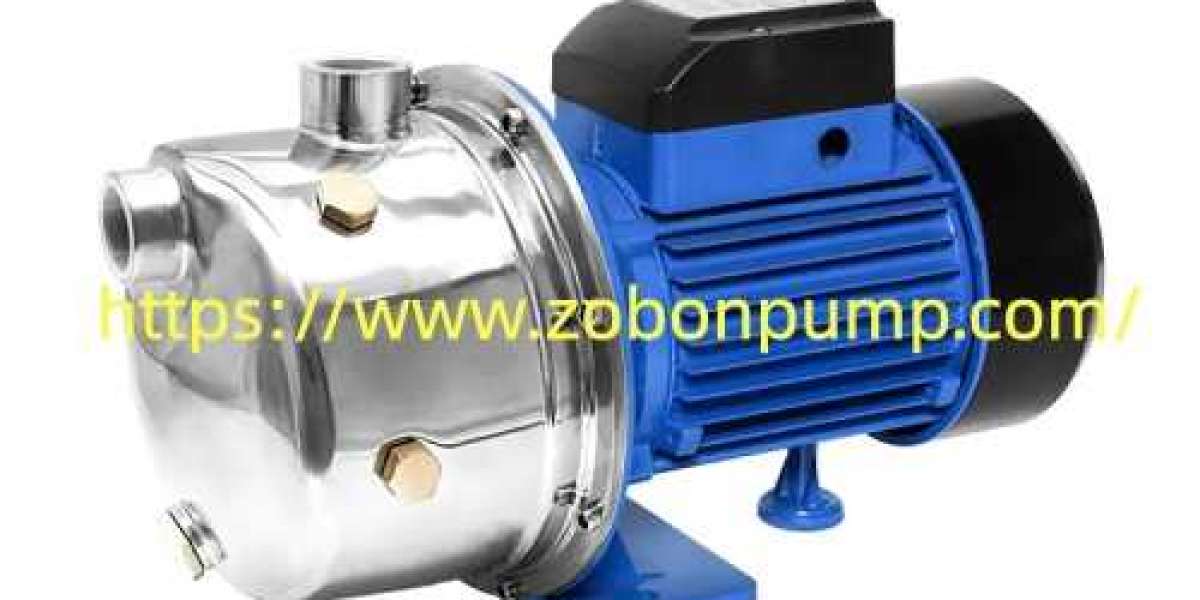

Agricultural Water Pump units can stop functioning sooner than expected when certain conditions are ignored during daily field operations. Many operators face sudden halts that disrupt irrigation schedules and increase repair costs. Understanding the main triggers and applying practical prevention steps allows these devices to deliver steady service through multiple seasons.
One frequent reason for early failure is running the unit without sufficient liquid supply. When the intake drops below safe levels the internal components overheat and seals wear rapidly. Installing a simple float switch or low level sensor automatically cuts power and protects the machinery. Keeping the suction line fully submerged and free of air leaks also maintains proper flow.
Debris and abrasive particles present another common challenge. Mud sand or plant matter entering the housing scores the impeller and damages bearings. A correctly sized strainer at the intake point blocks most solids while still allowing adequate volume. Cleaning this screen after each major use prevents gradual buildup that reduces output and stresses the motor.
Incorrect matching of capacity to field demand causes overload. An undersized unit works beyond its design range for long hours and overheats. An oversized one cycles too frequently and shortens motor life. Calculating required flow based on crop needs elevation and pipe length before purchase ensures the device operates near its efficient point.
Cavitation occurs when pressure at the impeller drops too low and vapor bubbles form then collapse violently. This erodes metal surfaces and creates noise. Shortening the suction lift using larger diameter intake pipes and minimizing sharp bends keeps pressure stable.
Loose fittings and worn seals allow air entry or liquid leakage. Both conditions reduce performance and invite further damage. Tightening connections at the start of each season and replacing seals at the first sign of drip keep the system airtight and efficient.
Regular maintenance forms the foundation of prevention. Before the growing period begins inspect the impeller for wear check bearing temperature and verify alignment between motor and shaft. During operation listen for unusual vibration or gravel like sounds that signal internal problems. After heavy use flush the housing and store the unit in a dry covered area.
Power supply stability also matters. Voltage fluctuations or inadequate cable size can burn windings. Using a properly rated starter and protecting against sudden surges safeguards the electrical side. For remote sites where grid access is limited solar compatible models reduce fuel related interruptions.
Operators who follow these steps report fewer unplanned stops and lower lifetime costs. The Small Drainage Water Pump option fits smaller plots or secondary channels where volume needs remain modest yet reliability stays essential. Selecting a unit built for continuous duty and pairing it with correct accessories further supports long term function.
Zobonpump designs focus on durable materials and straightforward service access so field teams can perform basic care without specialized tools. Attention to intake cleanliness proper submergence and load matching turns potential early failures into dependable seasons of use.
Consistent operation depends on treating the equipment as part of a complete field system rather than an isolated machine. When suction conditions stay ideal filters remain clean and running hours stay within design limits the unit continues transferring liquid as needed.
Visit https://www.zobonpump.com/product/ to review current models suited for various field layouts and duty cycles.