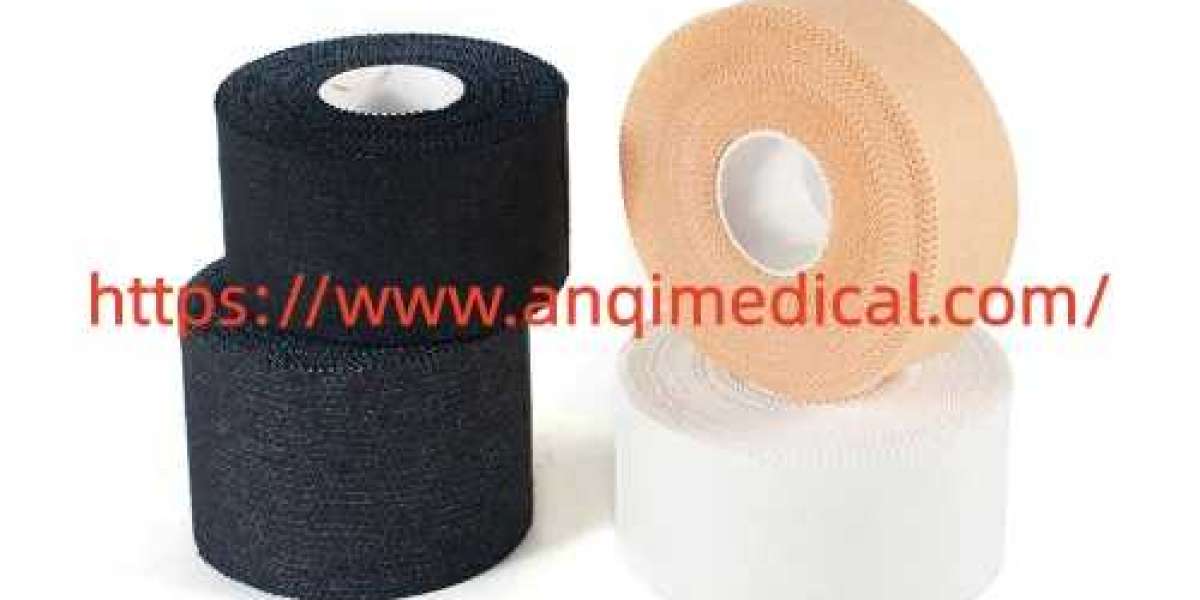

Cotton Sport Tape serves as a rigid adhesive material commonly selected by athletes and trainers seeking reliable joint restriction during physical efforts. Selecting the proper width plays a key role in achieving effective coverage while maintaining comfort and freedom where needed. Widths typically range from narrow options around one inch for small areas to wider ones near two inches for larger joints. Matching the size to the activity and body part helps the material stay secure through sweat and motion without creating pressure points or gaps.
Narrow widths work well for fingers and toes. These small areas require precise wrapping to limit unwanted bending or twisting during gripping or quick footwork. A one inch size allows clean layering around digits without overlapping too much onto surrounding skin. In activities such as climbing or racquet play, this size keeps the material close to the target zone and reduces the chance of edges lifting early. Users often start with a light base layer of foam underwrap before adding the adhesive strips to protect sensitive skin and ease later removal.
Medium widths near one and a half inches suit wrists and ankles. These joints experience frequent stress in running, cutting movements, and ball handling. The extra coverage stabilizes ligaments while still permitting some functional range. During basketball or soccer sessions, this size wraps smoothly around the joint contour and holds through repeated direction changes. Proper tension remains important. The material should feel snug yet allow two fingers to slip underneath at the edge so circulation stays open. Overlap each strip by about half its width to create even pressure without windows that could cause swelling.
Wider options around two inches address knees, elbows, and shoulders. Larger surface areas demand broader contact for distributed support. In weightlifting or court sports involving jumps and landings, this size helps restrict excessive side to side motion while the joint moves through its safe arc. Application often begins with anchor strips above and below the joint, followed by diagonal or spiral layers that follow the muscle lines. Cleaning the skin thoroughly and removing excess hair beforehand improves adhesion lasting through an entire session.
Activity intensity also guides the choice. High contact efforts such as football or martial arts may call for slightly wider material on major joints to withstand impact and friction. Lower intensity training like yoga or light conditioning can rely on narrower sizes for targeted feedback without bulk. Climate and duration matter too. Longer outdoor sessions in humid conditions benefit from material that breathes well, and correct width prevents bunching that traps moisture against the skin.
Anqimedical produces these materials in standard widths that meet common athletic needs. The fabric remains breathable and the adhesive holds through movement while leaving minimal residue. Trainers appreciate the hand tearable edges that speed application on the field or in the gym without extra tools. Users should always test tension after the first few layers and adjust if numbness or color change appears. Removing the material slowly in the direction of hair growth after use helps keep skin healthy for the next session.
Consistent practice with different sizes builds confidence. Start with one joint and one activity, note how the material feels after twenty minutes of motion, then refine the width or layer count. Over time the process becomes quick and automatic. Correct sizing supports safer participation across a range of physical efforts and helps maintain joint integrity session after session.
For product details and available sizes visit https://www.anqimedical.com/product/