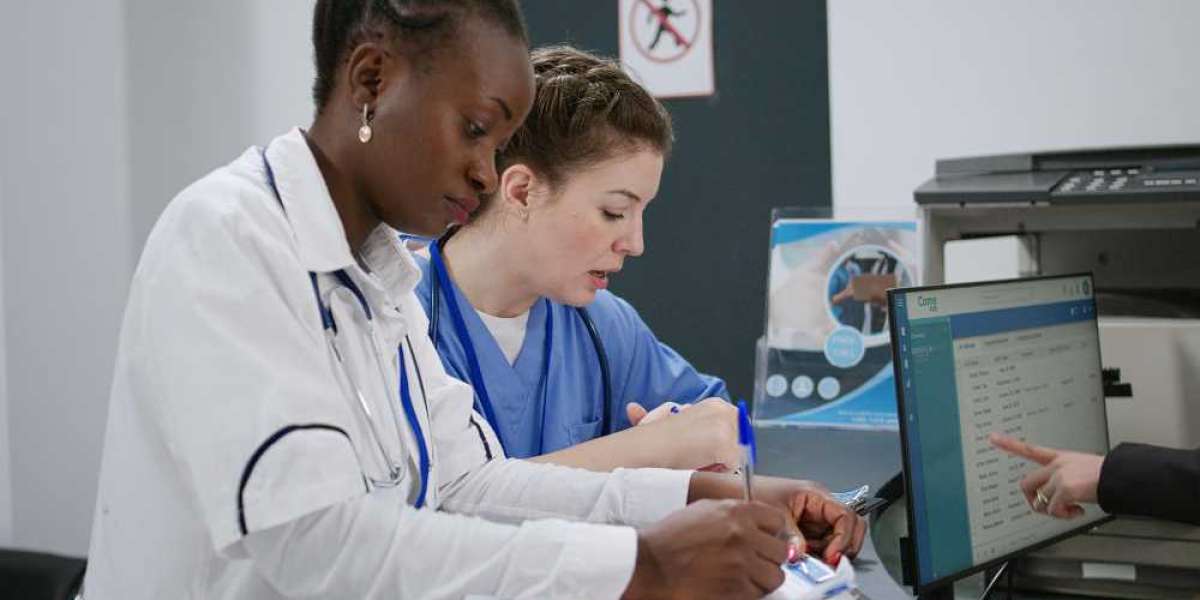

Before a clinical trial begins, sponsors must determine whether a research site can successfully conduct the study. This process is known as site feasibility. It helps sponsors evaluate whether a site has the people, resources, patient population, experience, and infrastructure needed to meet study requirements.
For healthcare professionals exploring How to be a PI in research, understanding site feasibility is an important step. A Principal Investigator may have strong clinical expertise, but successful research also depends on the site's operational capabilities.
A well-prepared feasibility assessment can help identify strengths, uncover potential challenges, and determine whether the site is a suitable fit for a particular clinical trial.
Site feasibility is not simply about saying yes to a study opportunity. It is about evaluating whether the site can realistically deliver the work required.
What Is Clinical Research Site Feasibility?
Clinical research site feasibility is the process of assessing whether a research site can conduct a specific clinical trial successfully.
Sponsors and Contract Research Organizations may evaluate:
- The Principal Investigator's qualifications
- The site's therapeutic experience
- Available patient populations
- Research staff
- Facilities
- Equipment
- Recruitment potential
- Regulatory capabilities
- Previous study performance
The goal is to determine whether the site can meet the study's expectations.
A feasibility assessment may happen before a site is selected for a clinical trial. Sponsors may send a feasibility questionnaire, conduct a qualification visit, or hold discussions with the PI and research team.
Why Is Site Feasibility Important?
Choosing the right research site can affect the success of an entire clinical trial.
A site may have an experienced PI but lack enough research staff. Another site may have excellent facilities but limited access to the patient population required for the study.
These challenges can affect:
- Recruitment
- Study timelines
- Data quality
- Protocol compliance
- Participant retention
- Overall trial performance
A thorough feasibility process helps identify these issues before the study begins.
This allows sponsors and research sites to make informed decisions.
The Principal Investigator's Role in Feasibility
The Principal Investigator plays an important role during the feasibility process.
The PI should provide accurate information about the site's capabilities.
This may include details about:
- Clinical experience
- Previous research studies
- Patient populations
- Recruitment history
- Available staff
- Facilities
- Equipment
- Competing studies
The PI should also understand the study requirements before committing to the trial.
Accepting a study without reviewing the operational demands can create challenges later.
A PI should ask important questions and provide realistic answers.
Overestimating recruitment potential or understating staffing needs may create problems for both the site and sponsor.
Evaluating the Patient Population
One of the most important parts of site feasibility is determining whether the site can access the required patient population.
A clinical trial may require participants with specific:
- Diagnoses
- Disease severity
- Age ranges
- Treatment histories
- Laboratory values
- Medical histories
The site should evaluate how many potential participants may be available.
However, simply having patients with a specific diagnosis does not guarantee successful recruitment.
The research team should consider whether potential participants:
- Meet the inclusion criteria
- Avoid the exclusion criteria
- Are interested in clinical research
- Can attend study visits
- Can complete study procedures
The PI should provide realistic recruitment estimates.
A site that promises to enroll a large number of participants without supporting data may create unrealistic expectations.
Assessing Recruitment Potential
Recruitment is one of the most common challenges in clinical research.
During feasibility, the PI and research team should evaluate how they plan to identify and enroll participants.
Potential recruitment sources may include:
- Existing patient databases
- Physician referrals
- Community outreach
- Advertising
- Digital marketing
- Patient advocacy organizations
The site should also consider how long recruitment may take.
Factors that can influence recruitment include:
- Disease prevalence
- Competition from other studies
- Eligibility criteria
- Geographic location
- Participant burden
- Study visit frequency
A strong recruitment plan can help the site set realistic expectations.
Evaluating the Research Team
A clinical trial requires more than a Principal Investigator.
The research team may include:
- Sub-investigators
- Clinical research coordinators
- Research nurses
- Regulatory specialists
- Pharmacists
- Laboratory staff
During feasibility, the site should determine whether it has enough qualified staff to manage the study.
The team should consider:
- Current workload
- Staff availability
- Previous research experience
- Training needs
- Expected participant volume
A site may have strong recruitment potential but lack enough staff to manage the study properly.
This can lead to delays, documentation problems, and participant communication challenges.
Reviewing the PI's Experience
Sponsors often review the PI's clinical and research background during feasibility.
They may consider:
- Medical qualifications
- Therapeutic expertise
- Previous clinical trial experience
- Experience with similar protocols
- Experience working with sponsors
- Participant recruitment history
However, a new PI should not assume that a lack of previous PI experience automatically prevents participation.
Sponsors may consider professionals with strong clinical expertise and appropriate training.
The key is to demonstrate preparedness and a clear understanding of the responsibilities involved.
Assessing Site Facilities
The physical research environment must support study requirements.
The site may need:
- Examination rooms
- Private areas for informed consent
- Secure document storage
- Laboratory facilities
- Refrigeration
- Temperature monitoring
- Investigational product storage
- Emergency equipment
The exact requirements depend on the clinical trial.
For example, a study involving an investigational product may require specific storage conditions.
A study involving imaging may require access to specialized equipment.
The site should review these requirements before committing to the study.
Technology and Data Systems
Modern clinical trials rely heavily on technology.
A site may need access to:
- Electronic data capture systems
- Electronic regulatory platforms
- Randomization systems
- Safety reporting systems
- Electronic patient diaries
During feasibility, the research team should determine whether it can use the required systems.
The team should also evaluate its technology infrastructure.
Reliable internet access, appropriate hardware, and trained staff can support smoother study operations.
Reviewing the Study Protocol
A PI should carefully review the protocol during the feasibility process.
The protocol may include:
- Complex eligibility criteria
- Frequent participant visits
- Specialized procedures
- Long-term follow-up
- Extensive data collection
The PI should assess whether the site can realistically meet these requirements.
Important questions include:
- How many visits will participants need?
- How long will each visit take?
- Are specialized procedures required?
- Does the site have the necessary equipment?
- Can the team manage the expected workload?
A study may appear suitable at first. However, a detailed protocol review may reveal operational challenges.
Understanding the Study Budget
Financial feasibility also matters.
The study budget should reflect the work required to conduct the trial.
The site may need to account for:
- Staff time
- Participant visits
- Laboratory testing
- Equipment
- Supplies
- Regulatory work
- Recruitment activities
A budget that does not support the site's actual workload can create financial pressure.
The PI and research organization should understand the study's requirements before accepting the agreement.
Identifying Competing Studies
A site may already be involved in other clinical trials.
During feasibility, the team should consider whether existing studies could affect recruitment.
Competing trials may involve:
- The same patient population
- Similar treatment areas
- Similar visit schedules
If multiple studies target the same participants, recruitment may become more difficult.
The site should provide sponsors with accurate information about other ongoing or planned studies.
Common Feasibility Mistakes
Overestimating Recruitment
A site should not provide unrealistic enrollment projections.
Recruitment estimates should reflect actual patient data and experience.
Underestimating Workload
A complex study may require more staff time than expected.
The site should carefully review the protocol before agreeing to participate.
Ignoring Staff Capacity
Research teams may already have significant workloads.
The site should determine whether it has enough staff to manage the new study.
Failing to Identify Facility Needs
Missing equipment or storage capabilities can delay study startup.
The site should identify these needs early.
Providing Incomplete Information
Sponsors need accurate information to make site selection decisions.
Clear and honest communication supports better feasibility outcomes.
How Can a PI Improve Site Feasibility?
A PI can improve the feasibility process by preparing in advance.
The PI should understand:
- The study population
- The protocol requirements
- The recruitment expectations
- The staffing needs
- The facility requirements
- The technology requirements
The PI should also involve the research team in the feasibility assessment.
Coordinators and other staff members may identify operational challenges that are not immediately obvious to the PI.
A team-based approach can lead to a more realistic evaluation.
Why Site Feasibility Supports Long-Term Study Success
Site feasibility is not just a selection process.
It can influence the entire study lifecycle.
A well-prepared site may be better positioned to:
- Recruit participants
- Complete study visits
- Maintain accurate documentation
- Respond to sponsor requests
- Manage protocol requirements
- Protect participant safety
Strong feasibility planning can help reduce avoidable problems.
It also creates clearer expectations between the sponsor and research site.
Conclusion
Clinical research site feasibility helps sponsors and Principal Investigators determine whether a research site can successfully conduct a specific clinical trial. The process involves evaluating patient populations, recruitment potential, staff, facilities, technology, experience, protocol requirements, and financial resources.
For healthcare professionals exploring how to be a PI in research, understanding feasibility is essential. A successful PI must evaluate more than clinical expertise, like principal investigator certification and training course. They must also understand whether their team and site can realistically support the demands of a study.
By taking a thorough and honest approach to feasibility, research sites can make better decisions, build stronger sponsor relationships, and improve their ability to conduct successful clinical trials. Learning How to be a PI in research involves understanding both the clinical and operational responsibilities that support high-quality research.