
Did you know that over 90 % of the dark web remains invisible to standard search engines like Google or Bing? Navigating this decentralized area requires more than just a browser - it requires a reliable map. Because the Tor network does not index pages in a traditional way, users rely on directories to find active services - these hubs act as the primary gateways for anyone looking for specific forums, marketplaces or whistleblowing platforms without stumbling into broken links or malicious mirrors.
Trust is the most valuable currency in the anonymous web - Since anyone can set up a hidden service, the burden of verification often falls on the directory maintainers. You are likely looking for a way to sort through the noise. A directory is only as good as its uptime and its commitment to filtering out scams. When you use these lists, you are essentially trusting a third party to have vetted the destination for you.
The Role of Directories in the Onion Ecosystem
Onion directories function as curated lists of .onion URLs. Compared to the clear web where SEO determines visibility, the Tor network is flat, which means a tiny personal blog has the same technical "discoverability" as a massive marketplace. Without a directory, you would need to know the exact 56-character string of letters and numbers to reach your destination - these platforms simplify the process - categorizing links based on their purpose, like social media, financial services or privacy tools.
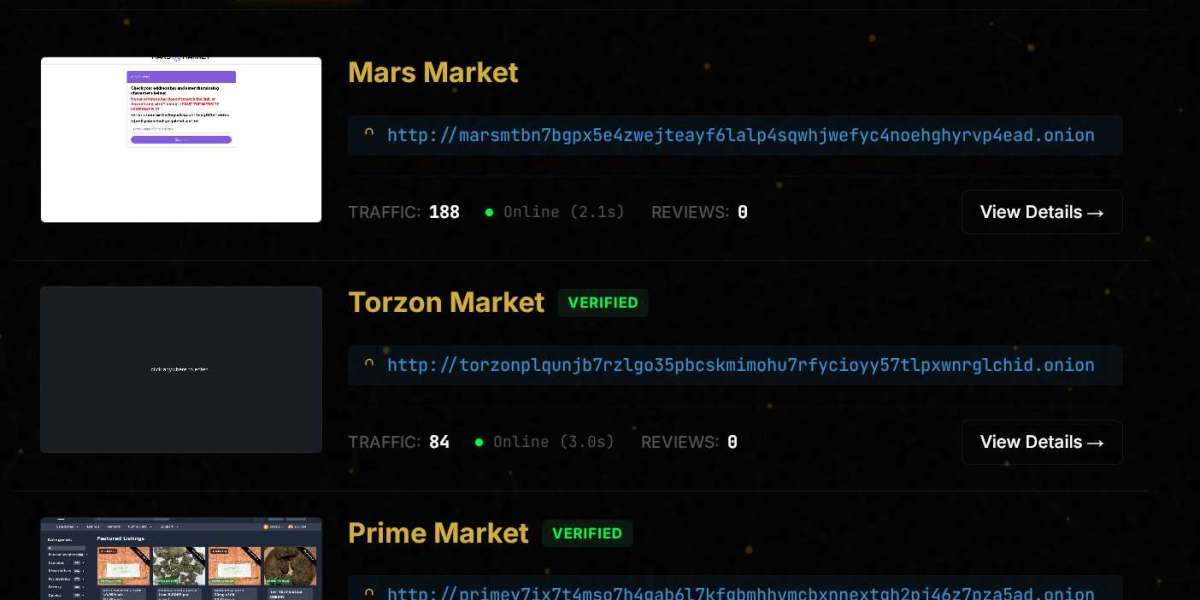
Many directories also provide status indicators - They run automated scripts to check if a site is online or offline - this saves you the frustration of clicking through dozens of dead links. You should also look for community driven features. Some of the more robust platforms allow users to vote or comment on the reliability of a link - this collective intelligence helps keep the ecosystem honest and warns others about potential phishing attempts before they cause harm.
How to Identify Trustworthy Sources
Not every list of links is safe to use - Some malicious actors create "fake" directories that look identical to famous ones but replace legitimate links with phishing URLs. To protect yourself, you must look for signs of active maintenance. A site that has not updated its list in months is a red flag. Reliable curators often provide a PGP signature or a clear "last checked" timestamp for every entry they host.
Consistency is another key indicator of a good source - You want to use platforms that have existed for multiple years without major security incidents. The community often discusses these hubs on privacy centric forums. If a directory is frequently recommended by long time Tor users, it generally carries more weight. You might find a dark web directory for 2026 useful if it focuses on categorizing sites for safer access and verified content.
Established Directories Their Characteristics
Several directories have stood the test of time because of their strict inclusion criteria - these sites are the "Yellow Pages" of the Tor network. They often split their content into specific sections to help you find exactly what you need without scrolling through irrelevant data. As an example, if you are looking for commerce, you might head to a curated market overview to see which platforms are currently active and reputable.
- The Hidden Wiki
One of the oldest names, though many versions exist. Stick to the ones with the least amount of intrusive ads. - Torch
One of the oldest search engines that functions similarly to a directory - indexing millions of pages. - TorLinks
A clean, no frills directory that is easy to navigate for beginners who want a simple list of categories.
The best directories prioritize user experience over profit. They do not accept payments to move a link to the top of the list. They rank sites based on uptime and community feedback - this neutral stance is what separates a professional resource from a simple link farm designed to generate ad revenue or spread malware.
Practical Habits for Safe Navigation
Even when using the most reputable directories, you should never let your guard down. Always verify a URL through multiple sources if you plan to share sensitive information or perform a transaction. It is common practice among experienced users to cross reference links across two or three different directories to ensure the strings match perfectly - this habit is your best defense against sophisticated phishing campaigns.
You should also be aware of the "vouching" system - Some directories only list sites that have been vouched for by other established services - this creates a web of trust that is harder for scammers to penetrate. Utilizing verified onion links ensures that the resources you access have undergone some level of scrutiny by the community. You are responsible for your own safety - using the tools as a starting point rather than a final word is a smart approach.
Finally, keep your browser software updated - No directory can protect you if your entry point is vulnerable. Many high quality directories will actually remind you to check your security settings before you start clicking. They act not just as a map but as a guide for best practices in an environment that is often unpredictable. For a broader look at the network, visiting an overview of Tor network systems can provide more context on how these layers work together.
FAQ
Are all onion directories safe to use?
No, many directories are set up specifically to host phishing links - these fake sites look like the real ones but lead you to pages that steal your credentials. Always use well known directories and cross check the URLs whenever possible.
How do directories know if a site is a scam?
Many reputable directories rely on a mix of automated uptime checks and user reports. If a site receives many complaints about theft or fraud, the directory administrator will usually remove it or add a "scam" warning label next to the link.
Do I need a VPN to use an onion directory?
While Tor provides anonymity by itself, some people use a VPN for an extra layer of privacy. For simply browsing a directory, the Tor Browser is usually sufficient as long as you follow basic safety protocols and do not share personal information.
Why do so many onion links stop working?
Hidden services are often hosted on private servers that may not have 100 % uptime. Sites frequently change their URLs to avoid DDoS attacks or to move to more secure infrastructure. Directories help - tracking these changes and updating their lists.