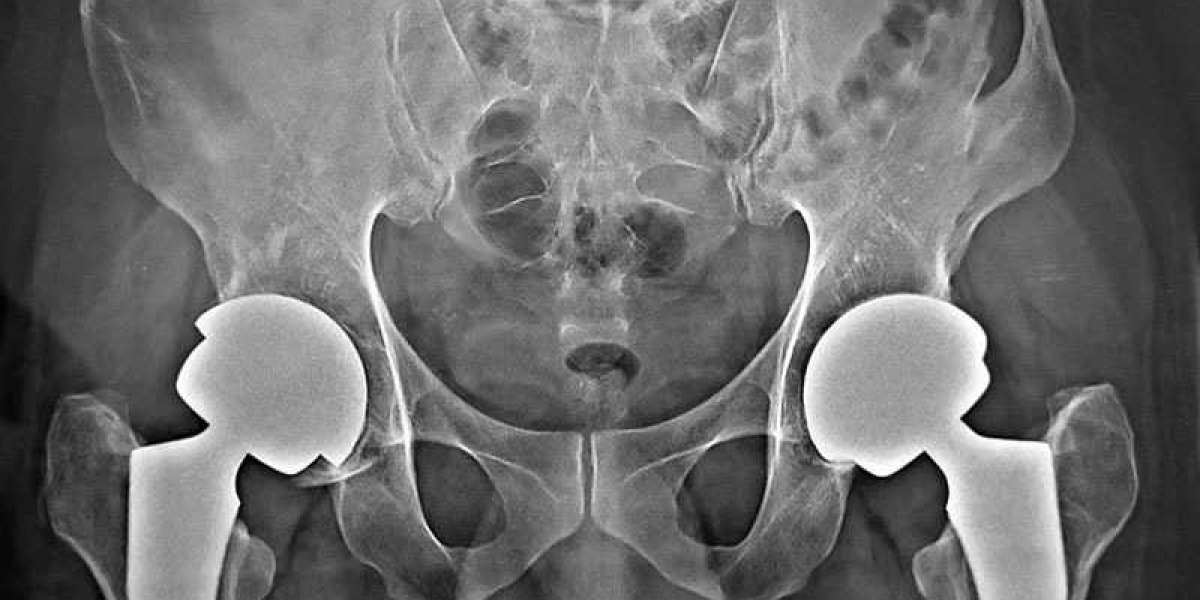

Humidity and changing weather conditions can have a significant impact on joint health, especially in individuals suffering from arthritis, musculoskeletal disorders, and hip joint problems. Increased humidity often leads to reduced barometric pressure, which may cause swelling in the joints and increased stiffness. Many patients notice worsening pain, fatigue, and reduced mobility during humid weather. According to Dr Anant Kumar Tiwari, a leading Orthopaedic Surgeon Delhi, such environmental changes can intensify inflammation and slow the body’s natural healing processes.
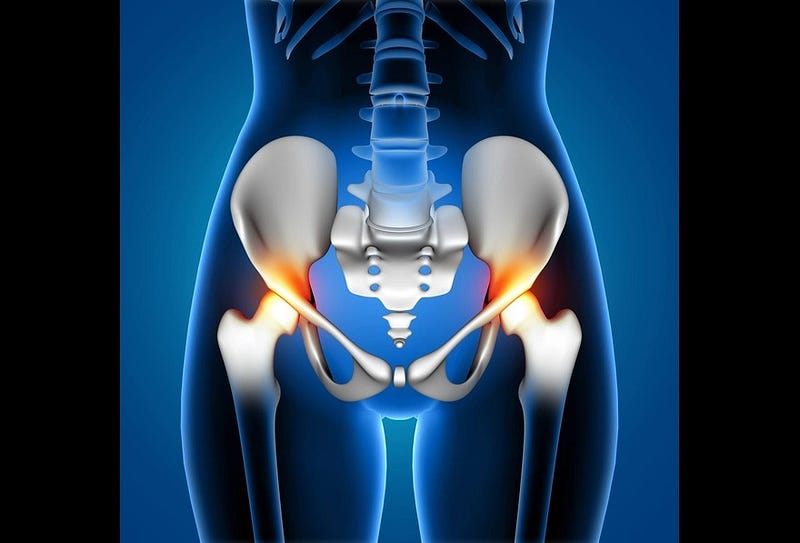
High moisture levels also reduce sweat evaporation, which can result in early fatigue and decreased physical activity. Reduced exercise further weakens muscles and joints, increasing the risk of long-term mobility issues. Therefore, maintaining hydration, adapting exercise routines, and managing lifestyle habits are essential for preserving joint health.
Understanding Hip Dysplasia:
Hip dysplasia is a condition in which the hip joint does not develop properly. In a healthy joint, the rounded head of the femur fits securely into the hip socket. However, in hip dysplasia, the socket may be shallow or the femoral head may be irregular, resulting in instability and abnormal joint movement. Over time, this can lead to cartilage damage, arthritis, and chronic pain.
This condition is often congenital and may be present at birth. Factors such as fetal positioning, genetic predisposition, and family history play an important role in its development. Early diagnosis is crucial to prevent complications in adulthood.
Symptoms of Hip Dysplasia:
In infants and young children, hip dysplasia may initially show minimal or no symptoms. As the condition progresses, the following signs may appear:
• Pain in the hip, groin, or knee, especially during physical activity
• Stiffness and reduced range of motion
• Limping or abnormal walking pattern
• Clicking or popping sensation in the hip joint
• Leg length difference
• Difficulty bending or rotating the hip
Parents should remain alert for early warning signs such as uneven leg folds or unusual sounds while moving the baby’s legs. Symptoms typically become noticeable between 2 to 6 months of age.
Causes and Risk Factors:
Most cases of hip dysplasia are congenital. The condition may develop during pregnancy due to abnormal positioning or pressure on the baby’s hips. Genetic factors also increase the risk. Early screening, especially in babies with a family history, is essential for timely intervention.
Diagnosis and Importance of Early Treatment:
Diagnosis involves physical examination, ultrasound in infants, and imaging studies such as X-rays in older children or adults. Early treatment may include braces or supportive devices to guide proper hip development. When untreated, hip dysplasia can lead to early arthritis and severe joint damage.
Can Hip Dysplasia Be Prevented?
While the condition cannot always be prevented, certain measures can help protect hip health. Proper swaddling techniques, avoiding excessive pressure on the hips, and regular pediatric check-ups are important. Early guidance from an orthopaedic specialist ensures healthy joint development.
Advanced Treatment Options:
In adults with severe joint damage or arthritis, Total Hip Replacement Surgery in Delhi is often recommended. This procedure replaces the damaged joint with artificial implants, relieving pain and restoring movement. Modern surgical techniques, advanced implants, and structured rehabilitation allow patients to regain mobility and improve quality of life.
Expert Orthopaedic Care in Delhi:
With over three decades of experience, Dr Anant Kumar Tiwari provides comprehensive care for both pediatric and adult patients. From early diagnosis of hip dysplasia in infants to complex joint reconstruction and Total Hip Replacement Surgery in Delhi, his patient-centered approach ensures optimal outcomes.
Conclusion:
Understanding the relationship between environmental factors and joint health, along with early recognition of hip dysplasia, plays a key role in preventing long-term complications. Consulting an experienced Orthopaedic Surgeon Delhi helps ensure timely diagnosis, effective treatment, and long-term mobility. With advanced care and personalized rehabilitation, patients can achieve pain relief, improved function, and a better quality of life.
#Total Hip Replacement Surgery in Delhi #Joint Replacement Surgery in Delhi
Also visit: https://articles.abilogic.com/779170/future-orthopaedics-assisted-bilateral-total.html