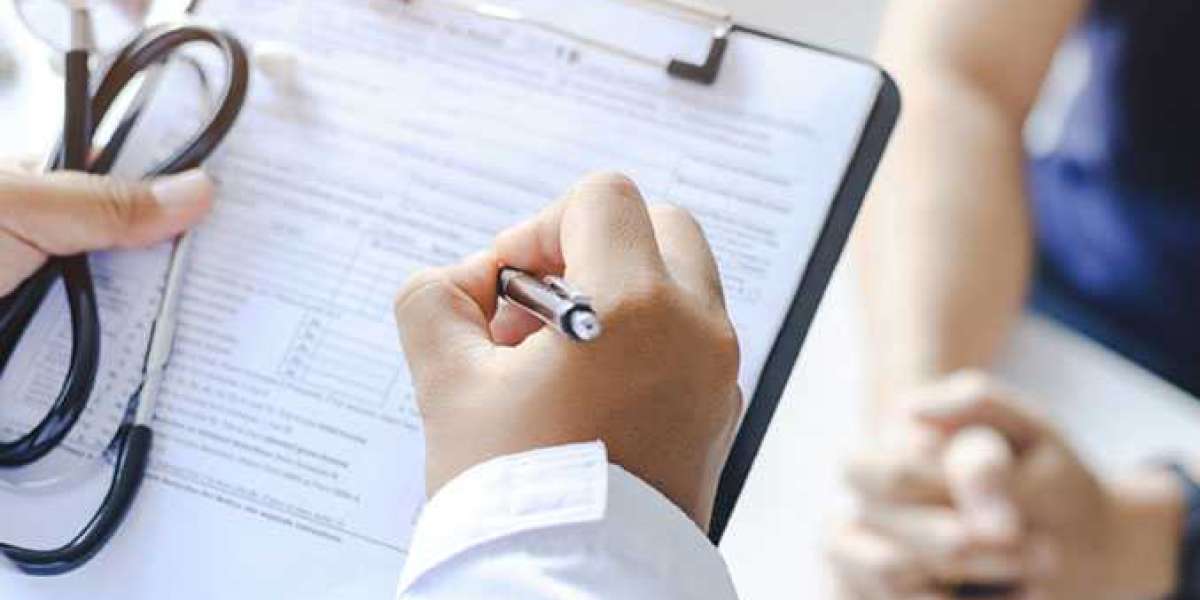

If you are applying for a U.S. green card, visa, or other immigration benefits, one important step in the process is the USCIS medical exam. This exam ensures that applicants meet the health standards required by U.S. immigration authorities and do not pose a risk to public health. Understanding the process, requirements, and preparation is essential for a smooth immigration journey.
What Is the USCIS Medical Exam?
The USCIS medical exam, also called the Immigration Medical Examination, is a health evaluation conducted by a USCIS-designated civil surgeon. Its primary purpose is to determine whether an applicant has any health conditions that might make them inadmissible to the United States.
The exam typically includes:
- Screening for communicable diseases such as tuberculosis, syphilis, and gonorrhea
- Checking for mental or physical disorders that may pose a risk
- Evaluating for substance abuse issues
- Reviewing vaccination history to ensure compliance with CDC requirements
Once the exam is complete, the civil surgeon completes Form I-693, which is submitted to USCIS as part of the immigration application.
Who Needs a USCIS Medical Exam?
Most immigration applicants are required to undergo this exam, including:
- Green card applicants adjusting status in the U.S.
- Refugees and asylees applying for permanent residency
- Immigrant visa applicants applying from outside the U.S.
- Certain waiver applicants
Some applicants may be exempt or already have recent medical documentation. It’s always best to confirm with a USCIS-designated civil surgeon whether the exam is necessary.
Components of the USCIS Medical Exam
The exam is comprehensive and involves several components to assess your overall health.
1. Review of Medical History
The civil surgeon begins by reviewing your past medical history. This includes:
- Previous illnesses, surgeries, or hospitalizations
- Current medications and allergies
- Family medical history
- Lifestyle factors that may affect health
Being honest and thorough ensures accurate evaluation and reduces delays.
2. Physical Examination
The physical exam covers:
- Vital signs, including blood pressure, heart rate, and temperature
- Heart, lung, and abdominal examination
- Skin, lymph nodes, and musculoskeletal system check
- Basic neurological assessment
The goal is to detect any underlying conditions that may affect your eligibility.
3. Laboratory Tests
Lab tests are based on age and medical history and may include:
- Blood tests for syphilis or other infections
- Tuberculosis testing using skin or blood tests
- Additional tests depending on individual health conditions
These tests are essential to ensure public health safety.
4. Vaccination Review
Immigration applicants must meet CDC vaccination requirements. Common vaccines include:
- Measles, Mumps, and Rubella (MMR)
- Polio
- Tetanus
- Hepatitis B
- Influenza
Missing vaccines can often be administered during the exam or scheduled for follow-up.
5. Mental Health and Substance Use Assessment
The civil surgeon evaluates mental health and screens for substance abuse to ensure applicants do not have conditions that may pose risks to themselves or others.
6. Completion of Form I-693
After the exam and testing, the civil surgeon completes Form I-693, which documents your eligibility. Proper completion is crucial to avoid delays in the immigration process.
Preparing for the USCIS Medical Exam
Preparation helps ensure a smooth experience:
- Bring vaccination records, prior medical records, and medication lists
- Schedule the exam close to your application submission date
- Follow any instructions regarding fasting, medications, or lifestyle adjustments
- Dress comfortably for a physical exam
- Be honest and thorough in providing medical information
Preparation reduces stress and avoids potential delays.
Costs and Validity
The USCIS medical exam fee varies depending on the clinic and is usually paid directly to the civil surgeon. USCIS does not cover the cost.
Form I-693 is typically valid for two years from the date of the medical exam. Scheduling the exam close to your application submission helps prevent expiration issues.
Common Questions About the USCIS Medical Exam
- What if I have a chronic illness?
Most chronic conditions do not prevent approval. They are documented and monitored. - What if I’m missing vaccinations?
Vaccinations can often be given during the exam or scheduled for follow-up. - Will the exam be painful?
Most tests involve minimal discomfort, such as blood draws or swabs. - What happens if I fail the exam?
Treatable conditions are addressed with follow-up care. Only serious, untreated conditions may affect eligibility.
After the Exam
Once Form I-693 is completed, it is submitted to USCIS as part of your immigration application. Any additional recommendations from the civil surgeon should be followed to maintain eligibility and ensure the process continues smoothly.
Tips for a Smooth USCIS Medical Exam
- Schedule early to avoid long wait times
- Bring all necessary documents and records
- Be open and honest about your medical history
- Follow vaccination and treatment recommendations
- Keep a copy of Form I-693 for your records
Following these tips ensures the medical exam is completed efficiently and successfully.
Final Thoughts
The USCIS medical exam is an essential part of the immigration process. It ensures public safety while confirming that applicants are healthy and ready to live in the United States. By understanding the process, preparing properly, and working with a certified civil surgeon, applicants can complete this requirement smoothly and confidently.