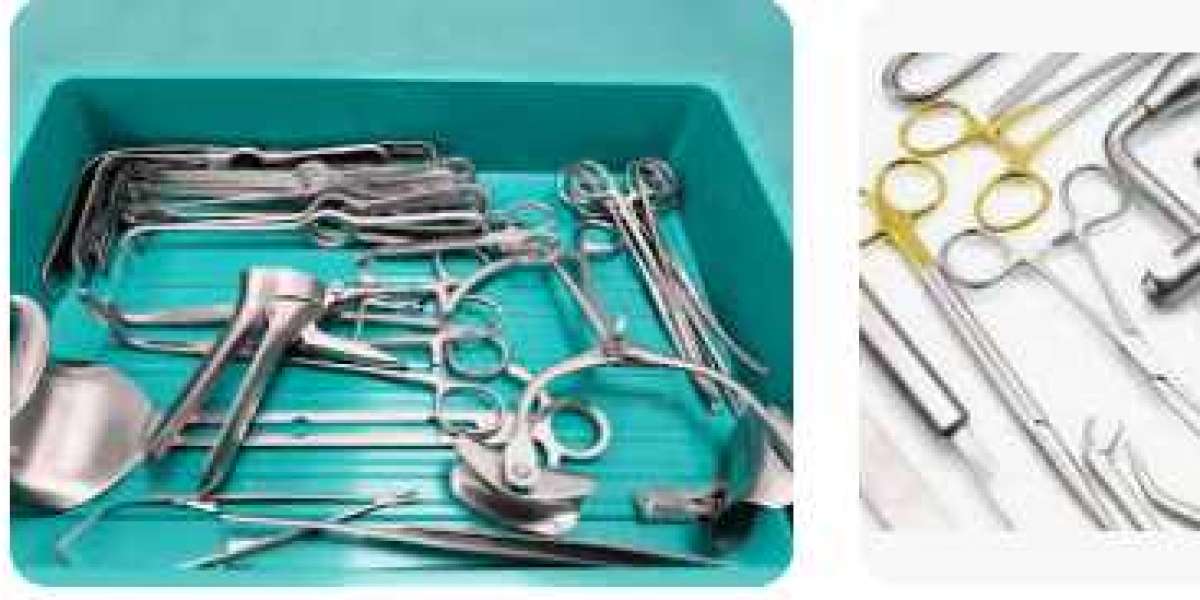

In modern surgical procedures, operation instruments play a critical role in ensuring precision, safety, and efficiency. These specialized tools are designed to assist surgeons in performing complex procedures, minimizing risks, and improving patient outcomes. From delicate microsurgery to major operations, the right instruments are fundamental for successful surgical interventions.
What Are Operation Instruments?
Operation instruments are tools used by surgeons, nurses, and medical staff during surgical procedures to cut, dissect, retract, clamp, or manipulate tissues. They are made from high-quality materials, such as stainless steel, to ensure durability, sterilizability, and reliability during surgery.
These instruments are classified based on their function, design, and the type of surgery for which they are intended.
Types of Operation Instruments
1. Cutting and Dissecting Instruments
Scalpels and Knives: For precise incisions
Scissors: Curved, straight, or specialized for delicate tissue cutting
2. Grasping and Holding Instruments
Forceps: Used to hold or manipulate tissues
Needle Holders: Assist in suturing with precision
3. Retracting Instruments
Handheld Retractors: Expose surgical sites during procedures
Self-Retaining Retractors: Hold tissues in place without manual effort
4. Clamping and Occluding Instruments
Hemostats and Clamps: Control bleeding by clamping blood vessels
5. Suction and Aspiration Instruments
Suction Tubes: Remove fluids and maintain a clear surgical field
6. Specialized Instruments
Instruments designed for specific surgeries, such as orthopedic, cardiovascular, or neurosurgical procedures
Applications of Operation Instruments
Operation instruments are essential across a wide range of medical fields:
General Surgery: Abdominal, thoracic, and minor surgical procedures
Orthopedic Surgery: Bone and joint operations
Neurosurgery: Brain and spinal procedures
Cardiovascular Surgery: Heart and blood vessel operations
Plastic and Cosmetic Surgery: Precise tissue manipulation and reconstruction
Benefits of Using Quality Operation Instruments
✔ Precision and Accuracy
High-quality instruments allow surgeons to perform intricate procedures safely.
✔ Safety
Properly designed instruments reduce the risk of tissue damage and surgical complications.
✔ Durability
Made from surgical-grade stainless steel, ensuring longevity and repeated sterilization.
✔ Efficiency
Ergonomically designed instruments improve surgeon comfort and reduce procedure time.
✔ Versatility
Available for various types of surgeries, from minor procedures to complex operations.
Maintenance of Operation Instruments
Proper care is crucial to maintain functionality and hygiene:
Clean immediately after use to remove blood and debris
Sterilize using autoclaves or chemical solutions
Inspect for damage or wear regularly
Store in protective trays to prevent corrosion or bending
Conclusion
Operation instruments are the backbone of modern surgery, enabling surgeons to perform precise, safe, and efficient procedures. Choosing the right instruments, maintaining them properly, and understanding their functions are essential for medical professionals to achieve successful surgical outcomes.
Whether in general, orthopedic, cardiovascular, or specialized surgeries, operation instruments ensure that patient care is delivered with the highest standards of safety and precision.