
Introduction to Modern Digital Signage
Digital signage has transformed the way businesses interact with their audiences. Digital signage solutions have become indispensable resources in retail stores, corporate offices, healthcare facilities, and educational institutions, providing dynamic and real-time communication. The core of any successful digital signage implementation is powerful digital signage software that drives content delivery, scheduling, and display control.
The digital signage market across the world is growing at a high rate, with organizations realizing that traditional signage has limits. Digital displays are more flexible than standard printed posters and signage, enabling businesses to make changes in real time, reach a specific audience, and gauge interest in a product or service.
Digital Signage Solutions
Digital signage solutions refer to the entire ecosystem needed to provide visual information to electronic screens. These solutions usually encompass hardware devices like displays, media players, and mounting infrastructure, along with the software platforms that operate content creation, scheduling, and distribution.
New digital signage systems have developed far beyond simple video loops. Current offerings include interactive touchscreens, wayfinding systems, menu boards, and data-driven displays that pull real-time information externally. The integration features of modern solutions enable businesses to connect their signage with inventory solutions, social media feeds, weather solutions, and customer relationship management solutions.
When developing digital signage solutions, businesses should take into account various factors such as display size and resolution, environmental factors, viewing distance, and content needs. There is a big difference between indoor solutions and outdoor installations, where the latter has to be weatherproofed, have a higher brightness level, and include temperature control systems.
The Digital Signage Software Role
Any signage deployment has digital signage software as the command center. This software helps users design, plan, and distribute content on one or more displays using a centralized platform. The level of sophistication of digital signage software can range widely, from simple solutions that support single-screen applications to enterprise-level software controlling thousands of displays in multiple locations.
Cloud-based digital signage software has been experiencing a lot of momentum in the last few years. These platforms do not require on-premise servers and can be managed remotely using any internet-connected device. Users are able to update content in real time, diagnose problems remotely, and view analytics dashboards that give insights into content performance and audience engagement.
The digital signage software user interface is a major determinant of adoption. Intuitive drag-and-drop interfaces, template libraries, and WYSIWYG editors allow non-technical employees to create professional content without extensive training. More sophisticated platforms also have automated content scheduling, which enables a business to show various messages during certain times of the day or on certain days of the week.
Important Digital Signage Solutions
Content Management Capabilities
The best digital signage solutions offer powerful content management capabilities that make the creation and distribution of content easier. Template-based design tools speed up content creation without compromising the brand. Multiple media support, such as images, videos, HTML5, and live data feeds, allows content to be created in a variety of ways.
Scheduling and Automation
Advanced scheduling features enable organizations to prearrange content and automate the process of switching between various messages. Dayparting capabilities allow companies to show breakfast menus during the morning and dinner menus during the evening without manual handover. Playlist management software offers fine-tuning of content order and timing.
Integration and Connectivity
Contemporary digital signage software allows connection with all kinds of data sources and third-party applications. With API connectivity, it is possible to visualize real-time data, including inventory levels, wait times, or stock market data. Social media integration enables businesses to display user-generated content and live feeds on their displays.
Remote Management and Monitoring
Enterprise-level digital signage solutions have all-inclusive remote management features. Administrators are able to track display health, get notifications about hardware problems, and run diagnostics through a centralized dashboard. Remote updates do not require physical access to any display site, which saves a lot of money in maintenance.
Performance Tracking and Analytics
High-tech digital signage software has analytics capabilities that quantify content effectiveness. Viewing data, interaction data, and dwell time data are valuable metrics that guide content strategy. Occupancy sensors and cameras allow advanced audience measurement and demographic analysis to be integrated.
Applications and Use Cases in Industry
Retail and Hospitality
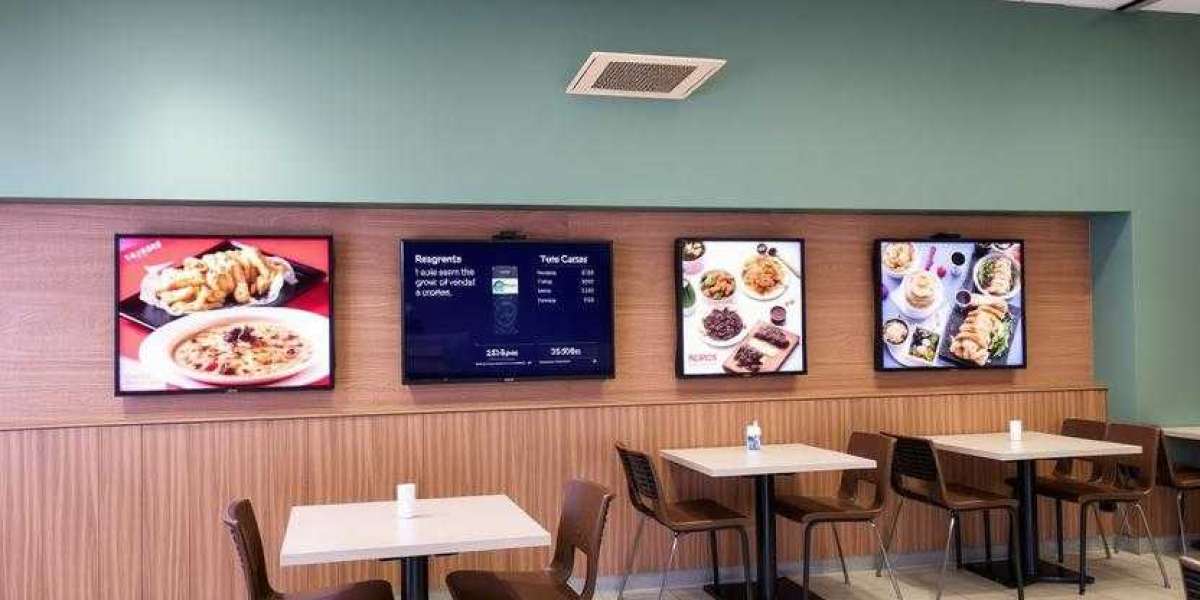
Retail settings use digital signage for promotional displays, product information, and interactive brand experiences. Quick-service restaurants use digital menu boards that make it easier to update dynamic pricing and promotions. Digital signage is used in hospitality venues to schedule events, provide wayfinding, and communicate with guests.
Corporate Communications
Organizations use digital signage solutions to improve internal communications. Company announcements, performance metrics, and recognition programs are displayed to employees. Meeting room signage is incorporated with calendar systems to show room availability and reservations in real time.
Healthcare and Education
Digital signage is used in healthcare facilities to educate patients, provide wayfinding, and show wait time information. Digital signage is used in educational institutions to announce events, promote activities, and inform people about emergencies on campus. Both sectors benefit from fast content updates and the ability to convey important information.
Implementation Best Practices
Implementation of digital signage must be well planned and thoughtful. Organizations ought to establish specific purposes for their signage implementation and coordinate the content approach with those purposes. The quality of the content is of utmost importance because even the most advanced hardware cannot be effective when the message is poorly designed or not relevant.
The choice of hardware must be based on environmental factors, viewing distances, and maintenance needs. Display resolution and brightness should be in line with the installation environment. The network infrastructure should be able to deliver content reliably, and the bandwidth and redundancy should be adequate to ensure that there is no interruption in service.
The New Wave in Digital Signage
Digital signage is an industry that is still developing with technological changes. The implementation of artificial intelligence makes it possible to deliver content to the audience in a personalized manner depending on audience characteristics. Gesture control and voice recognition interactive displays provide immersive experiences. The idea of sustainability has led to the creation of energy-saving displays and recycled materials in signage hardware.
Conclusion
Software and digital signage solutions have revolutionized communication across industries. The synergy between strong software platforms and flexible hardware makes organizations capable of providing their audiences with targeted, timely, and engaging content. With ongoing advancement in technology, digital signage will become more intelligent, personalized, and integrated with other business systems. By adopting these technologies, organizations are in a position to engage in more effective communication, improve customer experience, and deliver measurable business results with dynamic visual communication.